

Wondering why your appliance warranty claim got denied when you were sure it was covered? Don’t worry – we’ll break down the most commonly missed warranty opportunities that Vancouver homeowners overlook, and show you exactly how to protect your investment. Picture this: your dishwasher starts leaking all over your kitchen floor in Kitsilano, and you’re scrambling to find your warranty paperwork. You dig through drawers, search email inboxes, and finally locate that elusive documentation, only to discover your claim might not be as straightforward as you thought. This scenario plays out in homes across Vancouver every single day, from the busy condos of Yaletown to the family houses in Richmond. Most homeowners think warranty coverage is black and white – either you’re covered or you’re not. But the reality is far more nuanced, with plenty of grey areas that can leave you frustrated and facing unexpected repair bills.
Key Outtakes:
- Many warranty claims fail due to improper installation documentation, even when the appliance defect is clearly covered
- Extended warranties often exclude common issues like normal wear and tear, which manufacturers may classify differently than homeowners expect
- Credit card purchase protection can provide additional coverage that most Vancouver residents never think to use
- Routine maintenance requirements can void warranties if not properly documented, even for minor servicing
- Transfer of warranty coverage when buying pre-owned appliances requires specific steps that are frequently overlooked
The Hidden Warranty Traps Most Vancouver Homeowners Fall Into
Every week, we hear from frustrated homeowners across Metro Vancouver who thought their appliance repairs would be covered, only to face denial letters and unexpected bills. The most common misconception is that having a warranty means automatic coverage for any malfunction. In reality, warranty companies scrutinize claims with the thoroughness of a detective investigating a crime scene. The biggest trap lies in the fine print that nobody reads until it’s too late. These documents contain specific exclusions, maintenance requirements, and procedural steps that can invalidate your coverage faster than you can say ‘manufacturer defect.’ What makes this particularly challenging for Vancouver residents is that different retailers and manufacturers have varying policies, creating a confusing maze of coverage rules. Understanding these pitfalls before you need to file a claim can save you hundreds or even thousands of dollars in unexpected repair costs. The key is knowing what warranty companies look for when evaluating claims and ensuring you meet those requirements from day one. 
Installation Documentation That Actually Matters
Moving beyond the basic warranty understanding, one of the most overlooked aspects involves proper installation documentation. Most homeowners in neighborhoods like Burnaby or New Westminster assume that keeping their receipt is sufficient proof of proper installation. However, warranty companies often require much more detailed documentation to honor claims related to installation issues. Professional installation certificates carry significant weight in warranty disputes. When your appliance is installed by a certified technician, that documentation becomes crucial evidence that the unit was set up according to manufacturer specifications. This is particularly important for built-in appliances like dishwashers, ovens, and refrigerators that require specific electrical, plumbing, or ventilation connections. Many warranty claims get denied because homeowners cannot prove the installation met manufacturer requirements, even when the actual defect has nothing to do with installation. 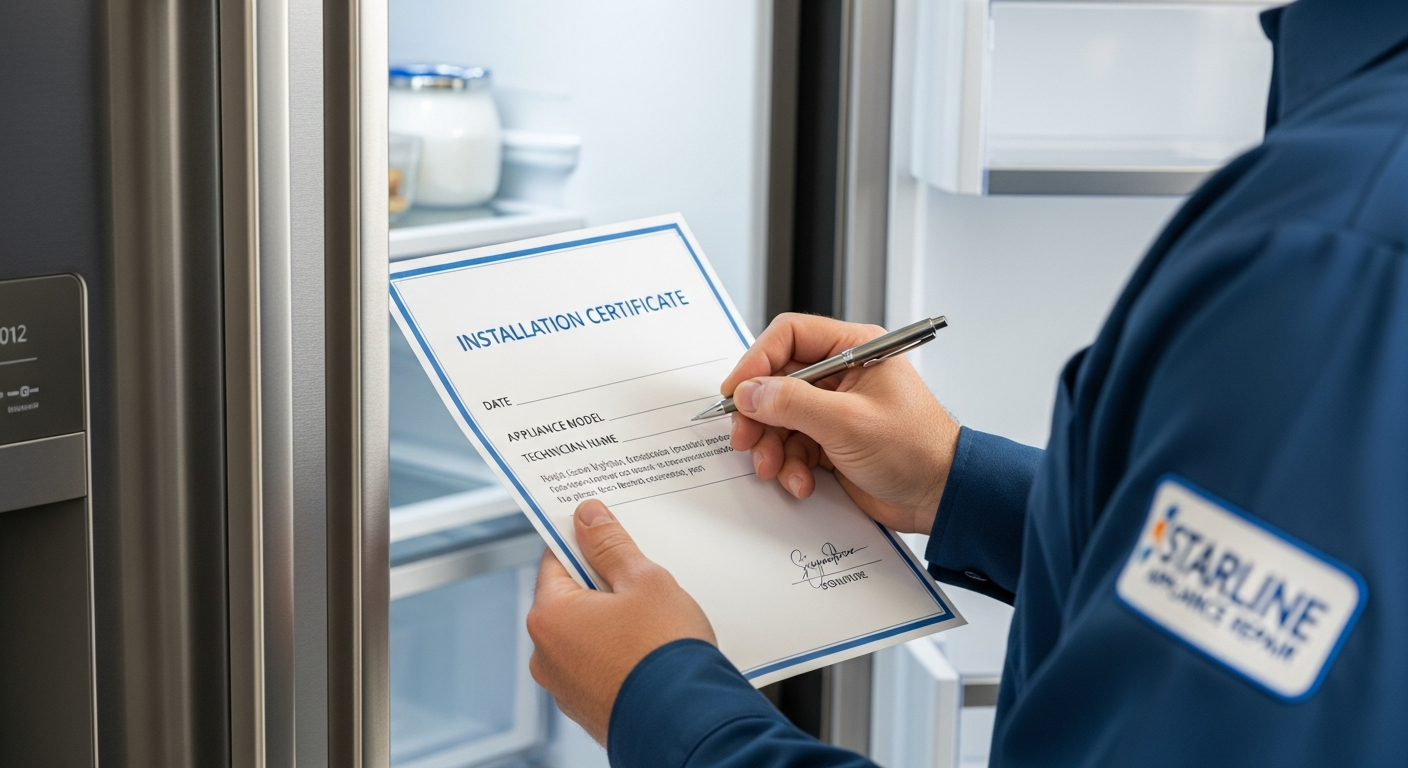 The installation process itself must follow specific guidelines outlined in the manufacturer’s manual. These often include requirements for electrical specifications, clearance distances, and even the type of fasteners used. Smart homeowners photograph the installation process, keep all documentation from certified installers, and ensure their installer provides detailed completion certificates. This documentation becomes invaluable when filing warranty claims, especially for issues that might appear installation-related to warranty reviewers. DIY installations present particular challenges for warranty coverage. While many manufacturers don’t explicitly void warranties for self-installation, they require proof that all installation requirements were met exactly as specified. This means keeping detailed photo documentation, following every step in the installation manual, and often having the installation inspected by a qualified technician before the warranty period begins.
Maintenance Requirements Nobody Tells You About
Another critical area where warranty claims frequently fail involves maintenance requirements that homeowners don’t realize exist. Building on the importance of proper documentation, many manufacturers embed specific maintenance schedules and requirements within their warranty terms that must be followed to maintain coverage. Regular maintenance isn’t just a good practice – it’s often a contractual requirement for warranty validity. Refrigerators may require annual coil cleaning, dishwashers need monthly cleaning cycles with specific products, and washing machines often require periodic maintenance washes with prescribed cleaners. The challenge for busy Vancouver families is that these requirements aren’t always clearly communicated at the point of sale, yet failure to comply can void warranty coverage entirely. Documentation of maintenance activities becomes as important as the maintenance itself. Warranty companies may request proof that required maintenance was performed on schedule using approved methods and products. This means keeping receipts for cleaning products, photographing maintenance activities, and maintaining detailed logs of when maintenance was performed. Some manufacturers even require professional maintenance for certain high-end appliances, adding another layer of complexity and cost that homeowners don’t anticipate. The definition of ‘normal wear and tear’ versus ‘maintenance failure’ often becomes a point of contention in warranty claims. What homeowners consider normal aging, warranty companies might classify as maintenance neglect. Understanding these distinctions and staying ahead of maintenance requirements can mean the difference between a covered repair and a denied claim that leaves you searching for reliable repair services.
Extended Warranty Exclusions That Catch Everyone Off Guard
Transitioning from manufacturer maintenance requirements to extended warranty coverage, many Vancouver homeowners purchase additional protection thinking they’re getting comprehensive coverage, only to discover significant gaps when they need service. Extended warranties, while valuable, come with their own set of exclusions that can surprise even well-prepared consumers. Extended warranty providers often exclude coverage for issues they classify as ‘pre-existing conditions’ or ‘gradual deterioration.’ This means that problems developing slowly over time, rather than sudden failures, may not qualify for coverage. For example, a refrigerator that gradually loses cooling efficiency might be denied coverage, while the same unit experiencing a sudden compressor failure could be approved. These distinctions aren’t always clear to homeowners who reasonably expect their coverage to handle any malfunction. Geographic limitations can also affect extended warranty coverage in ways that Vancouver residents might not anticipate. Some warranties restrict coverage to specific service areas or require authorization before repairs can begin. This can create delays and complications, especially for residents in areas like West Vancouver or parts of Richmond that might be considered outside standard service zones. Understanding these limitations before purchasing extended coverage helps set realistic expectations about response times and service availability. The interaction between manufacturer warranties and extended coverage creates another layer of complexity. Extended warranties typically don’t begin until manufacturer coverage expires, but the transition isn’t always seamless. Claims filed during transition periods can fall through coverage gaps, leaving homeowners responsible for repairs they expected to be covered. Clear communication with both warranty providers during these transition periods helps prevent coverage disputes.
Credit Card Benefits You’re Probably Ignoring
Building on the complexity of extended warranty coverage, many Vancouver homeowners overlook a valuable source of additional protection that’s hiding in their wallets. Credit cards, particularly premium cards, often provide purchase protection and extended warranty benefits that can supplement or even replace manufacturer coverage in certain situations. Credit card purchase protection typically covers damage, theft, or defects for a specific period after purchase, usually 90 to 120 days. This coverage can be particularly valuable for appliances that develop early problems that might not be clearly covered under manufacturer warranties. The claims process is often more straightforward than dealing with appliance manufacturers, requiring primarily proof of purchase and documentation of the issue. Many cardholders never realize this protection exists because it’s buried in card member benefits that few people read thoroughly. Extended warranty benefits from credit cards can add an additional year or more of coverage beyond manufacturer warranties. This protection often has fewer exclusions than purchased extended warranties and doesn’t require additional premium payments. However, these benefits typically require that the entire purchase be made with the credit card, and some cards have annual or per-incident limits that could affect larger appliance purchases. 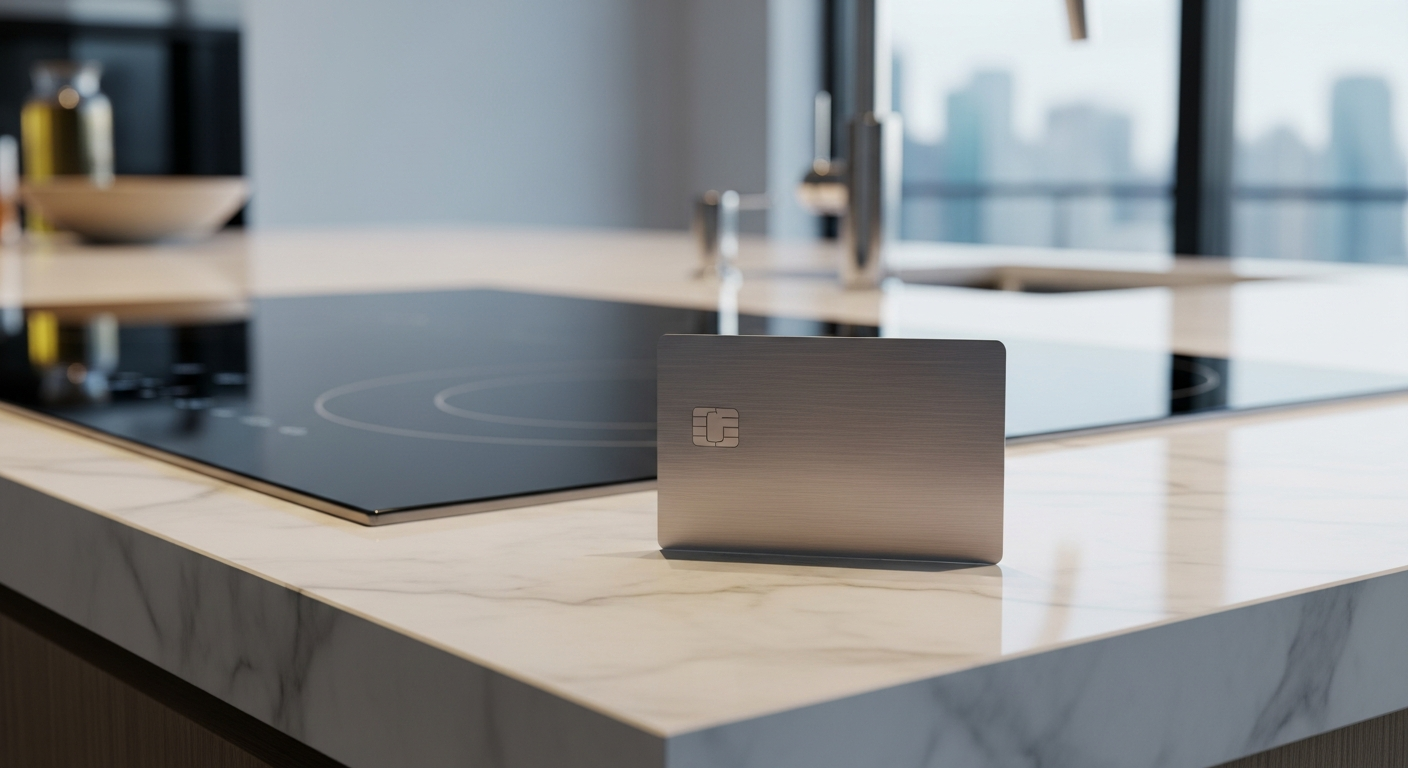 The claims process for credit card benefits often moves more quickly than traditional warranty claims, but requires specific documentation and adherence to reporting timelines. Understanding these requirements before you need them, and keeping appropriate documentation, can make credit card benefits a valuable safety net for appliance protection. This is especially useful for Vancouver homeowners dealing with higher-cost appliances where repair bills can quickly add up.
Frequently Asked Questions
How long do I have to register my new appliance for warranty coverage?
Most manufacturers provide a window of 30 to 90 days from the date of purchase to register your appliance for warranty coverage. While some warranties remain valid without registration, registering typically makes the claims process much smoother and may unlock additional benefits or extended coverage periods. Keep your purchase receipt as primary proof of purchase date, and register online through the manufacturer’s website as soon as possible after installation.
Can I transfer my warranty coverage if I sell my home with appliances included?
Warranty transferability varies significantly by manufacturer and type of coverage. Most standard manufacturer warranties can be transferred to new owners with proper documentation, but extended warranties purchased separately often cannot be transferred. You’ll need to contact the warranty provider directly to understand transfer procedures, which typically require documentation of the sale and new owner information. Some manufacturers charge transfer fees or have specific timeframes for completing transfers.
What should I do if my warranty claim gets denied?
Don’t accept the first denial without understanding the specific reason for rejection. Request detailed explanation of why your claim was denied and review your warranty documentation to determine if the denial is justified. Many denials result from missing documentation or misunderstanding of coverage terms rather than actual exclusions. If you believe the denial is incorrect, you can typically file an appeal with additional documentation or seek resolution through consumer protection agencies. For complex situations, consulting with appliance repair professionals who understand warranty processes can provide valuable guidance.
Wrapping Up
Understanding appliance warranty coverage doesn’t have to be a mystery that leaves you vulnerable to unexpected repair costs. By staying organized with documentation, following maintenance requirements, and knowing all your coverage options including credit card benefits, you can protect your appliance investments effectively. When warranty coverage isn’t available or claims get denied, having a reliable local repair service becomes essential for keeping your household running smoothly, which is where Starline Appliance Repair North Vancouver steps in to provide expert service across Vancouver, Burnaby, and Richmond with transparent pricing and professional expertise you can trust.