
Worried that your charming vintage appliances might be slowly transforming your Vancouver home into a safety hazard waiting to happen? You’re absolutely right to be concerned – appliances over 20 years old pose significant risks that many homeowners completely overlook until disaster strikes.
Vancouver homeowners increasingly hold onto aging appliances well beyond their intended lifespan, often unaware that kitchen and laundry equipment older than 20 years poses significant safety risks. While vintage aesthetics may appeal to some residents, the reality is that appliances manufactured two decades ago were built without modern safety features, efficiency standards, and materials knowledge we possess today. This practice is creating a growing public health concern in the region, particularly in established neighborhoods where original appliances remain operational.
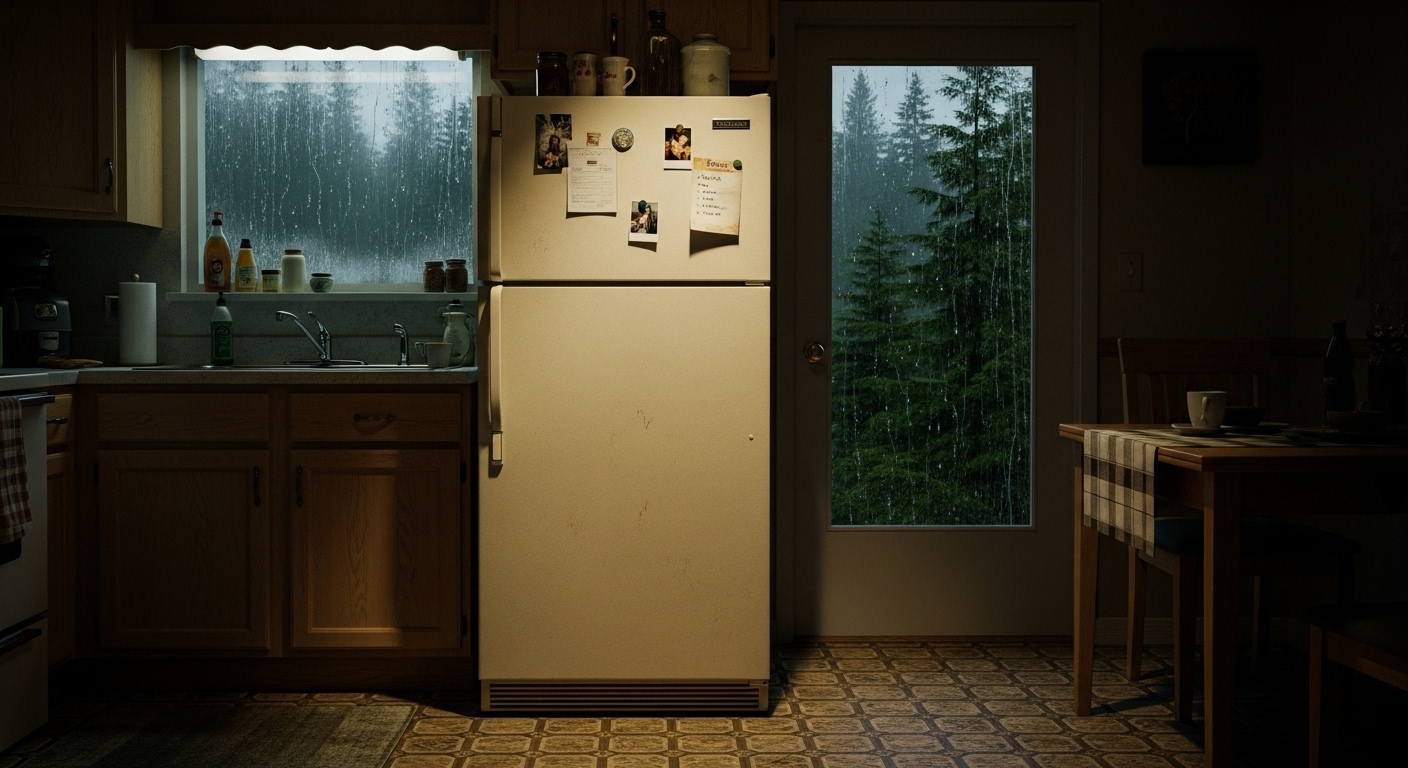
The combination of Vancouver’s unique coastal climate and aging appliance infrastructure creates a perfect storm of safety hazards that homeowners frequently overlook. Outdated appliances create electrical fire risks, carbon monoxide poisoning hazards, water damage leading to mold growth, and potentially deadly gas leaks—all issues that professional inspection could identify before disasters occur. What makes this situation particularly devastating is that damage often goes unnoticed until it’s too late to prevent major appliance failures, leaving families vulnerable to catastrophic events that could have been prevented with proper assessment and maintenance.
Understanding these hidden dangers isn’t about creating fear—it’s about empowering Vancouver homeowners with the knowledge they need to protect their families and properties. When you know what to look for and when to take action, you can make informed decisions that prevent small problems from becoming major disasters while ensuring your home remains the safe haven it should be.
Key Outtakes:
- Appliances older than 20 years lack critical modern safety features including automatic shut-offs, ground fault protection, and temperature regulation systems that prevent fires and electrical hazards
- Vancouver’s coastal humidity and salt air accelerate appliance deterioration by 30-40% compared to inland Canadian cities, making typical 9-15 year lifespan estimates unreliable for local conditions
- Dryer fires represent 92% of all appliance fire incidents in Canada, with 32% caused by inadequate maintenance—a risk that multiplies exponentially with appliances over 15 years old
- Vintage appliances manufactured before 1980 may contain asbestos insulation, posing serious health risks if disturbed during repairs or when components begin deteriorating
- Professional inspection services can identify safety hazards before catastrophic failure, with many issues remaining invisible to homeowners until accidents occur
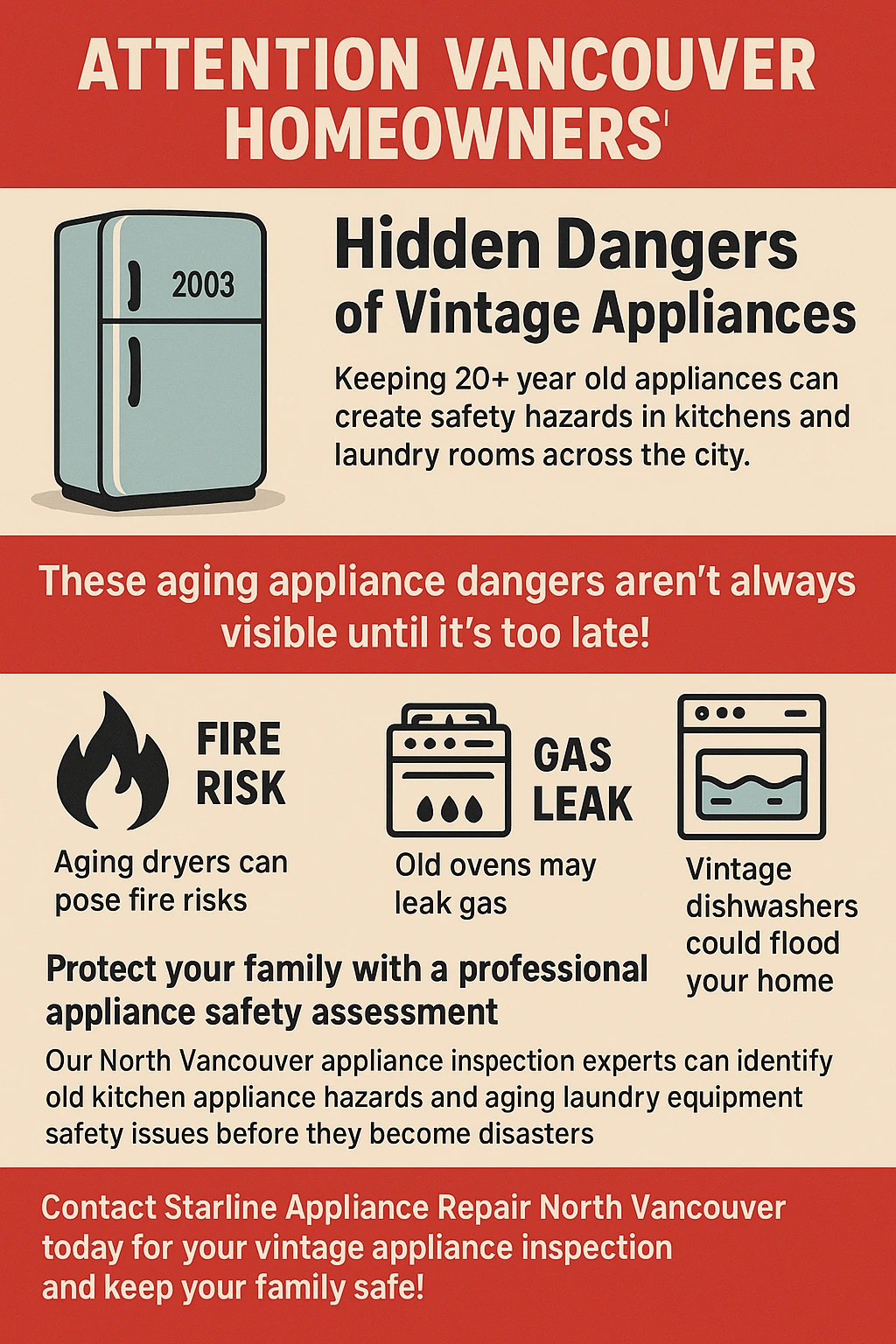
Why 20+ Year Old Appliances Are Becoming Safety Hazards in Vancouver
The age factor alone makes vintage appliances inherently dangerous, but Vancouver’s unique environment compounds these risks in ways that many homeowners don’t fully understand. Modern appliances manufactured within the last 10 years include safety technologies that older units simply don’t possess. According to industry standards, refrigerators manufactured before 2000 lack temperature monitoring systems, automatic defrost shutoffs, and leak detection sensors that current models include as standard features. Similarly, dryers produced 20 years ago were built without the moisture sensors and thermal cutoffs that prevent overheating and lint accumulation fires.
The average lifespan for major appliances ranges from 9 to 13 years for refrigerators and dishwashers, to 13-15 years for electric ranges. Appliances exceeding these thresholds are operating significantly beyond their design specifications and lack the durability engineering of newer models. While these lifespans are national averages, Vancouver’s harsh coastal environment means local appliances typically deteriorate faster, making a 20-year-old unit equivalent in condition to a 25-30 year old appliance in a drier climate.
Electrical fires in homes total approximately 24,200 residential incidents annually in the United States, with an estimated 295 deaths and $1.2 billion in property damage. Outdated appliances represent a disproportionate share of these incidents because their electrical components have degraded, insulation has cracked, and wiring has become brittle and prone to shorting. Failure to clean clothes dryer lint filters contributed to 31% of residential clothes dryer fires between 2018-2020. However, the risk is amplified in older dryers where the thermal cutoff systems may have already failed or degraded, leaving no backup protection even if lint accumulates.
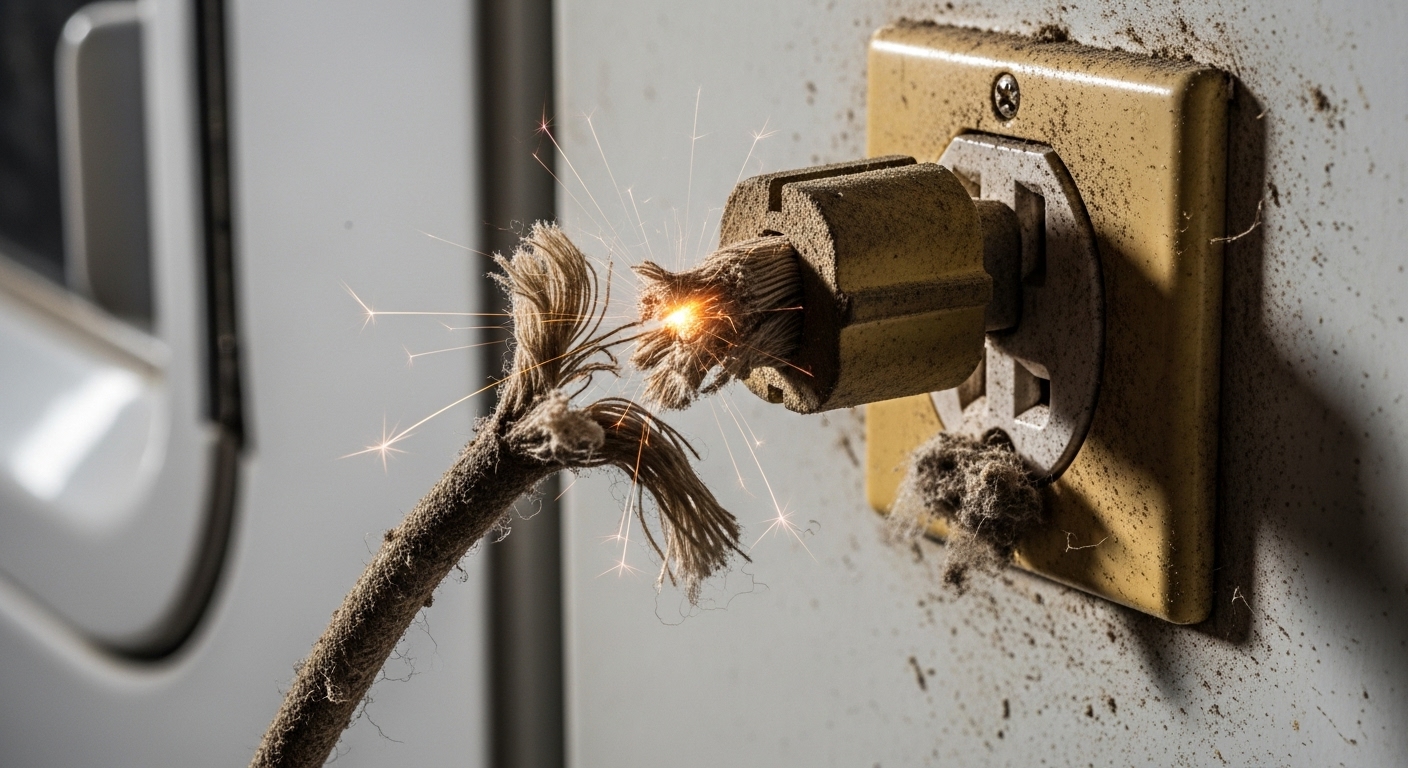
Vancouver’s high humidity creates a corrosive environment that degrades electrical insulation faster than in drier regions. The combination of moisture and salt air causes oxidation of copper wiring within appliances, increasing resistance and heat generation—a condition that inspection services rarely check but represents a significant fire risk in coastal properties. This unique environmental challenge means that aging appliance dangers in Vancouver homes are fundamentally different from those in inland Canadian cities.
Water damage from leaking appliances represents another critical safety concern that escalates dramatically with appliance age. Washing machines and dishwashers commonly fail after 10-15 years, with water damage from leaks being the primary failure mode. When these appliances leak, the damage extends beyond visible water pooling to include hidden moisture infiltration within walls, subflooring, and cabinetry—areas where mold can develop within 24-48 hours. Water damage from leaking washing machines can result in repair costs exceeding several thousand dollars when structural damage, mold remediation, and water extraction are factored in, with insurance claims for appliance-related water damage regularly reaching $3,000-$8,000 per incident.
Vancouver’s Unique Climate Accelerates Aging and Deterioration
Moving beyond general appliance aging concerns, Vancouver’s coastal environment creates specific challenges that dramatically accelerate the deterioration of aging appliances. The city’s persistent humidity and salt air exposure work together to create conditions that can reduce appliance lifespans by 30-40% compared to drier inland regions, making the already dangerous 20+ year old appliances even more hazardous than their counterparts in other Canadian cities.
Vancouver’s average annual relative humidity exceeds 70% during many months, far exceeding the 30-50% range that appliance manufacturers recommend for optimal operation. This persistent moisture penetrates electronic control boards, digital displays, and sensor systems within appliances, causing short-circuits, electromigration processes that move metallic ions within semiconductor junctions, and eventually complete electronic failure. Research from appliance repair specialists in Vancouver indicates that proper ventilation and humidity control measures can extend appliance lifespspan by 3-5 years compared to unprotected units, demonstrating the quantifiable impact of Vancouver’s climate on accelerated aging.
The specific vulnerability of smart appliances and appliances with WiFi connectivity makes modern Vancouver homes at particular risk. These sophisticated control systems are more susceptible to humidity-induced failures than mechanical-only older models, creating a paradoxical situation where “outdated” mechanical appliances may actually prove more reliable in Vancouver’s environment than newer smart models unless extremely well-maintained. This creates unique challenges for homeowners trying to balance modern convenience with reliability in coastal climates.
Salt particles carried by prevailing coastal winds penetrate far inland throughout the Vancouver metropolitan area, accumulating on and within appliance components where they initiate aggressive corrosion processes. This corrosion is particularly problematic on refrigerator coils, washing machine drums, dishwasher spray arms, and all metal components within HVAC systems. In Vancouver’s Kitsilano and West End neighborhoods with highest ocean proximity, appliance repair technicians report seeing salt corrosion damage in units as young as 5 years old—well before their expected lifespan. Air conditioning units and heat pumps face 40% reduction in equipment life compared to inland installations due to salt air exposure.
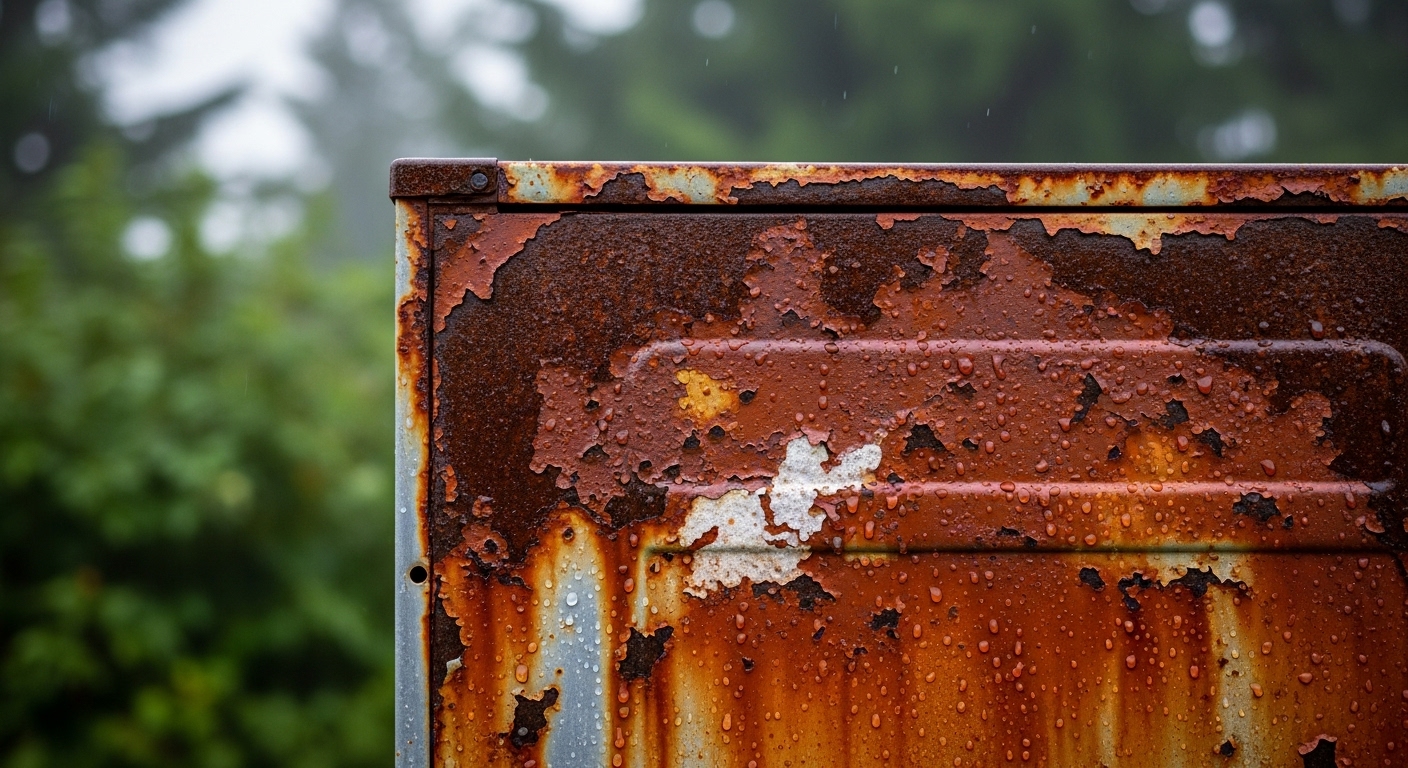
The social equity concern becomes apparent when examining geographic patterns: older, lower-income Vancouver neighborhoods further from the waterfront have less documented salt air damage compared to wealthy waterfront communities, creating a hidden geographic disparity in appliance degradation rates that homeowners in established neighborhoods may not realize affects their properties significantly. This means that families with fewer financial resources to replace aging appliances face disproportionate safety risks from their aging equipment.
Vancouver experiences frequent thermal cycling with temperature swings occurring sometimes within single days, particularly during transitional seasons. This repeated expansion and contraction of rubber seals, plastic components, and metal housings causes micro-crack development and seal failure that compromises appliance integrity. Vancouver appliances might experience dozens of heating and cooling cycles in a single month during transitional seasons