

Vancouver New Home Appliance Installation Common Mistakes
Thinking about installing new appliances in your Vancouver home but worried about making costly mistakes? We’ve got the inside scoop on the most common installation blunders that can turn your dream kitchen or laundry room into a nightmare, plus practical tips to avoid them.
Moving into a new home in Vancouver is exciting, but nothing kills that new-house vibe quite like a botched appliance installation. Whether you’re upgrading your West End condo kitchen or setting up a full laundry suite in your Kitsilano townhouse, there are so many ways things can go sideways if you’re not prepared. The good news is that most installation mistakes are totally preventable once you know what to look out for.
I learned this the hard way when my friend Sarah tried to install her own dishwasher in her North Vancouver home last year. What started as a simple weekend project turned into a week-long ordeal involving a flooded kitchen, emergency plumber visits, and a very unhappy landlord. Don’t be like Sarah – let’s dive into the most common installation mistakes and how to avoid them.
Key Outtakes:
- Proper preparation of electrical, gas, and plumbing connections is essential before installation day to avoid costly delays and complications
- Skipping anti-tip devices and trim kits can create safety hazards and make your appliances look unprofessional
- Not understanding delivery team limitations can lead to installation failures and frustrated homeowners
- Switching between gas and electric appliances requires significant additional work that many homeowners underestimate
- Professional installation costs average $129-$291 but can prevent thousands in damage from DIY mistakes
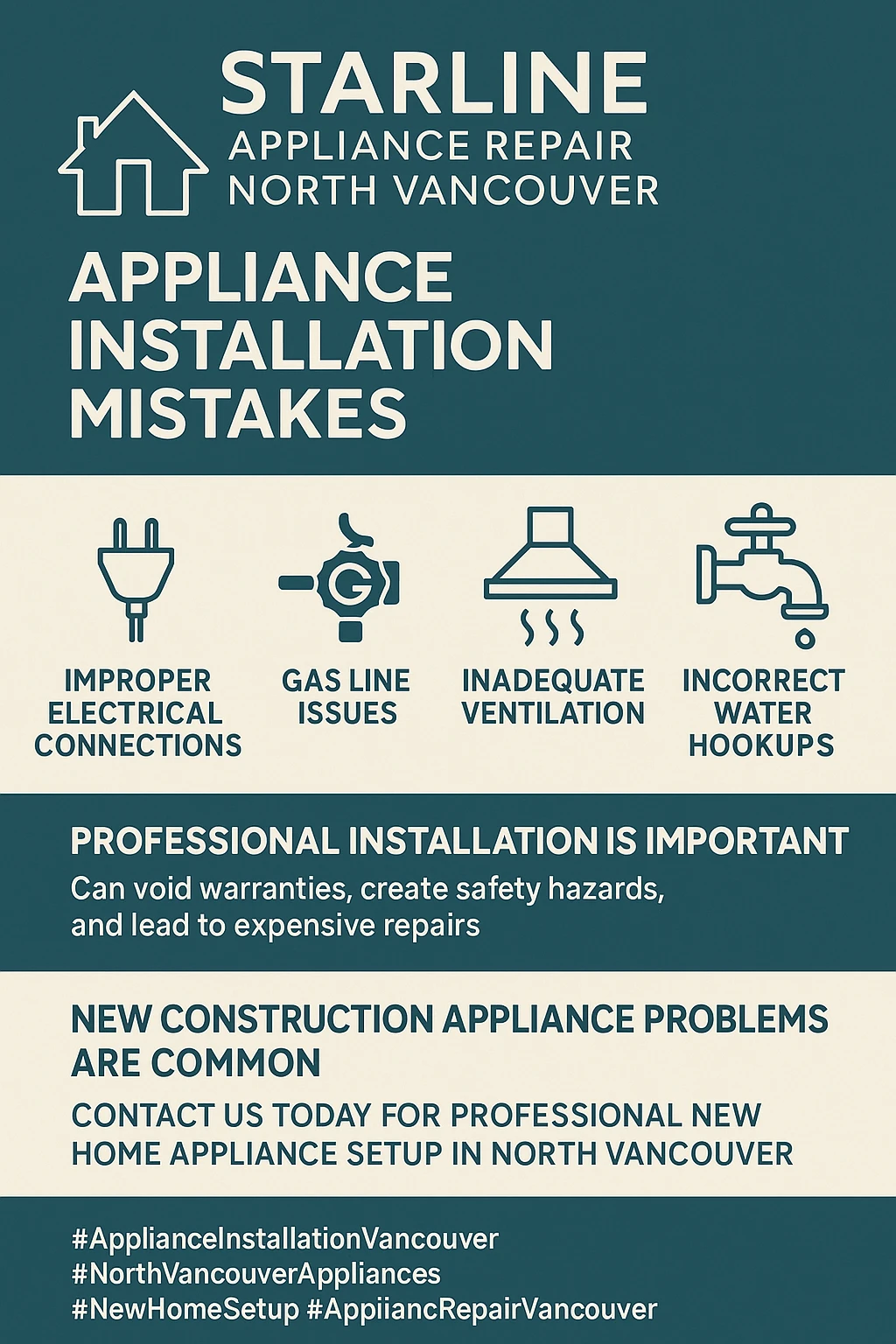
The Most Common Vancouver Appliance Installation Mistakes
Let’s be real – appliance installation looks way easier on YouTube than it actually is. In Vancouver’s diverse housing market, from heritage homes in Shaughnessy to modern condos downtown, each property presents unique challenges that can trip up even experienced DIYers. The most frequent mistakes I see involve inadequate preparation, skipped safety features, and unrealistic expectations about what delivery teams can actually do.
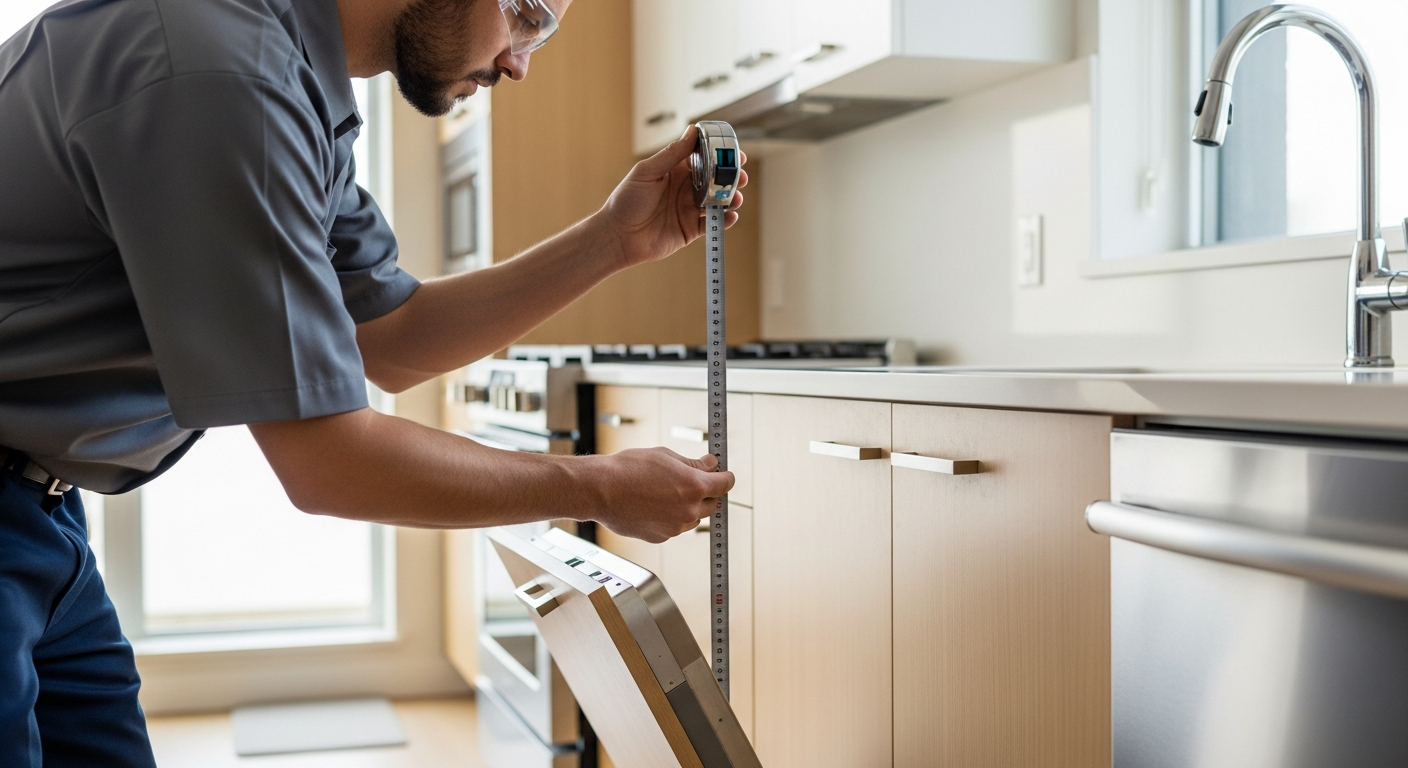
The biggest issue? People assume that because they’re replacing an old appliance, everything will just plug and play. But here’s the thing – building codes change, appliance sizes vary between brands, and what worked for your 15-year-old dishwasher might not work for your shiny new model. This is especially true in Vancouver’s older neighborhoods where homes might have outdated electrical or plumbing systems.
Another major mistake is not understanding the scope of professional installation services. Many homeowners expect delivery teams to handle electrical work, carpentry modifications, or gas line installations, but these services have strict limitations for safety and liability reasons. When you’re not prepared for these limitations, your installation day can quickly turn into a disaster.
Electrical and Gas Line Preparation Failures
Building on the preparation theme, one of the most expensive mistakes Vancouver homeowners make is not properly preparing their electrical and gas connections before installation day. This becomes especially problematic when you’re switching from electric to gas appliances or vice versa. I can’t tell you how many times I’ve heard stories of excited homeowners whose installation got postponed because they needed a new gas line or electrical outlet.
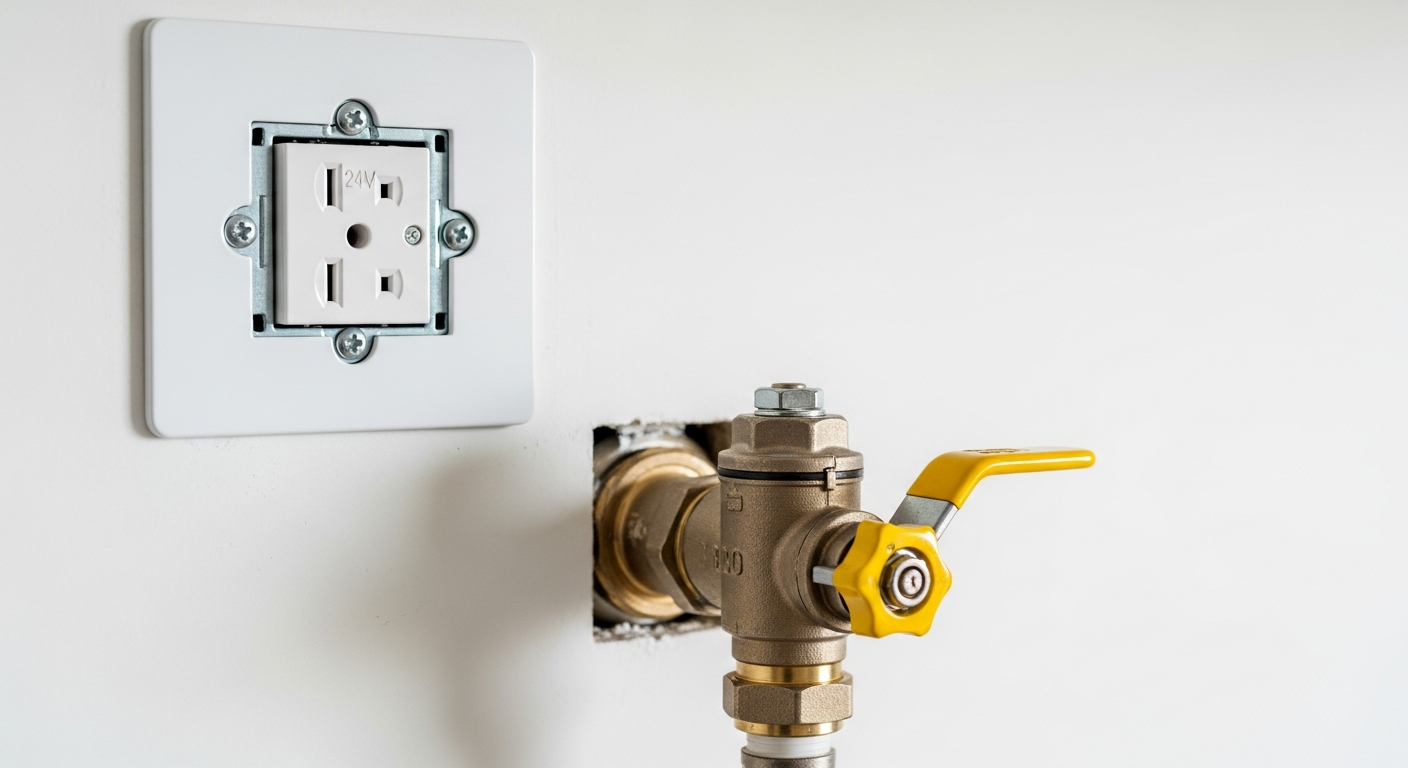
The costs here can be shocking. Running a new gas line can cost anywhere from $200 to $2,000 depending on the distance from your existing line. Electrical work for a new outlet typically runs between $120 and $200. These aren’t small change expenses, and they’re almost always required when switching energy sources for ranges, ovens, or dryers. What makes this even more frustrating is that these requirements are often discoverable ahead of time with proper planning.
In older Vancouver homes, particularly those built before the 1980s, electrical panels might not have the capacity for modern high-powered appliances. Your vintage Dunbar home’s electrical system might have been perfect for a simple electric range, but that new induction cooktop could require a complete electrical upgrade. Similarly, gas appliances in newer condos might need special venting considerations that weren’t required for older models.
The key is getting a professional assessment before you buy your appliances, not after they’re sitting in your driveway. Most installation issues related to utilities can be resolved ahead of time, but they require advance planning and potentially permits from the city. Don’t assume your home is ready just because you have existing connections.
Ignoring Safety Requirements and Code Compliance
This connects directly to the utility preparation issues, but deserves its own attention because safety mistakes can have serious consequences. One of the most commonly overlooked safety requirements is the anti-tip device for ranges and ovens. Professional installation teams actually cannot complete an installation without installing these devices, yet many DIY installers skip them entirely.
Anti-tip devices might seem like an optional extra, but they’re literally life-savers. These simple brackets prevent ranges from tipping forward when someone pulls on an open oven door or puts weight on the front of the range. Without them, appliances can tip and cause serious injuries or even deaths. It’s not just about following rules – it’s about protecting your family.
Gas appliances present additional safety considerations that many homeowners underestimate. LP gas conversions require special kits and knowledge that go beyond basic installation skills. Professional teams won’t connect LP gas systems, and for good reason – improper gas connections can lead to leaks, fires, or explosions. Even something as simple as using the wrong type of connector or failing to properly test connections can create dangerous situations.
Electrical safety is equally important, especially in Vancouver’s wet climate. GFCI protection, proper grounding, and adequate circuit capacity aren’t suggestions – they’re requirements that protect your home from electrical fires and electrocution. Modern appliances often draw more power than older models, so what worked for your previous dishwasher might overload your circuit with a new one. Code compliance isn’t just red tape; it’s protection for your home and family.
Underestimating Professional Installation Limitations
Even when you hire professionals, misunderstanding what they can and cannot do leads to major installation day disappointments. Professional delivery and installation teams operate under strict guidelines that prioritize safety and liability protection. These limitations aren’t arbitrary – they exist because teams need specific licenses, insurance, and expertise for different types of work.
For instance, professional installation teams cannot perform carpentry work, electrical modifications, or plumbing changes. This means if your new refrigerator doesn’t fit through your door, if your cabinets need modification for a built-in microwave, or if you need new electrical outlets, the installation team will have to leave without completing the job. They also cannot move appliances to different addresses or reconnect appliances they’ve moved to storage areas.
Space and access limitations cause frequent problems too. Professional teams cannot lift appliances over banisters, through windows, or around tight corners that might be manageable with smaller teams or different equipment. If you live in a Vancouver high-rise with narrow hallways or tight elevator access, you need to verify these logistics before installation day. Similarly, stairs, tight doorways, and low ceilings in basement installations can stop installations in their tracks.
The solution is detailed communication with your installation team ahead of time. Provide exact measurements, photos of access routes, and honest assessments of any potential obstacles. Most installation problems are preventable with proper planning, but they become expensive headaches when discovered on installation day. Remember, professional installers want successful installations as much as you do – they just need accurate information to make it happen.
Trim Kits and Finishing Details
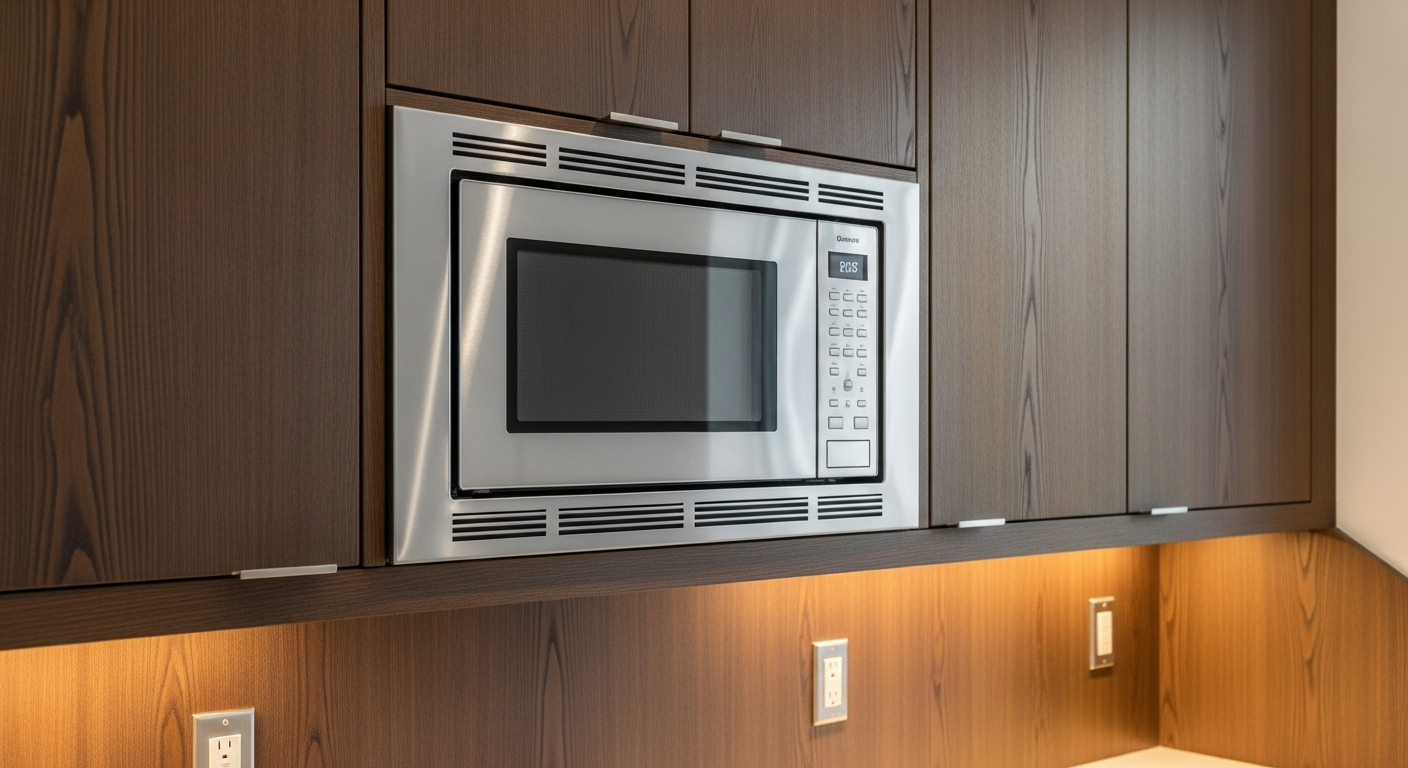
While safety and utility connections get most of the attention, overlooking finishing details can make even perfectly functional installations look amateurish. This is particularly important for built-in appliances like over-range microwaves and dishwashers, where trim kits and proper fitting make the difference between a professional appearance and an obvious DIY job.
Cabinet trim kits for microwaves typically cost between $100 and $200, but skipping them leaves visible gaps and unfinished edges that scream “amateur installation.” These aren’t just cosmetic issues – gaps around appliances can collect grease, dust, and food particles that create cleaning nightmares and potential hygiene problems. Proper trim kits also provide acoustic insulation that reduces noise and vibration.
Dishwasher installations often require insulation panels and proper mounting hardware that aren’t always included with the appliance. Without these components, dishwashers can be excessively noisy, vibrate against cabinet walls, or fail to fit securely in their designated spaces. Similarly, proper door panel kits for integrated dishwashers are essential for achieving the seamless look that makes built-in appliances worthwhile.
The key is understanding what components your specific installation requires before starting the project. Every appliance model has different requirements, and every kitchen has unique dimensions that might require additional parts. Professional installers typically source these components as needed, but DIY installers often discover missing parts mid-project when stores are closed and progress stops completely.
Frequently Asked Questions
How much should I expect to pay for professional appliance installation in Vancouver?
Professional appliance installation in Vancouver typically costs between $129 and $291, with an average cost around $194. However, costs can vary significantly based on the type of appliance, complexity of installation, and whether additional electrical, plumbing, or gas work is required. Hourly rates for installation specialists average $65 per hour, with rates ranging from $40 to $145 per hour depending on the complexity of the job.
What utility preparations do I need before installation day?
Before installation day, ensure you have proper electrical outlets, gas connections, and water supply lines already in place with no leaks present. If you’re switching from electric to gas appliances or vice versa, you’ll need new utility connections installed by licensed professionals before the appliance installation can proceed. This work can take several days and requires permits, so plan ahead.
What can’t professional installation teams do?
Professional installation teams cannot perform electrical work, plumbing modifications, carpentry, or install trim kits. They also cannot connect LP gas systems, lift appliances over obstacles like banisters or through windows, or move appliances to different addresses. Teams are limited to connecting appliances to existing, properly prepared utility connections and testing for proper operation.
Do I really need anti-tip devices for my range?
Yes, anti-tip devices are absolutely required for all free-standing and slide-in ranges and ovens. Professional installation teams cannot complete installations without installing these safety devices. Anti-tip brackets prevent appliances from tipping forward when weight is applied to open oven doors, preventing serious injuries and deaths that occur from appliance tip-overs.
Wrapping Up
Avoiding common appliance installation mistakes comes down to proper planning, realistic expectations, and understanding when to call in professionals. The most expensive mistakes happen when homeowners assume installations will be straightforward without considering utility requirements, safety codes, or professional limitations. Whether you’re in a heritage home in Kerrisdale or a modern condo in Coal Harbour, taking time to prepare properly can save you thousands in repairs and ensure your new appliances work safely and efficiently.
When installation challenges seem overwhelming or you want to ensure everything is done right the first time, Starline Appliance Repair North Vancouver is here to help. Our experienced team understands Vancouver’s unique housing challenges and can guide you through proper installation planning, utility preparation, and safety compliance to make your appliance installation project a success.