
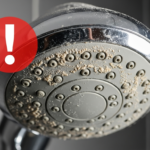
Watching your brand-new dishwasher leave spots on glasses while your ice maker churns out cloudy cubes in Vancouver’s supposedly pristine water? Even our city’s famously soft water contains enough minerals to slowly destroy your most expensive appliances through gradual buildup that costs homeowners thousands in premature replacements and skyrocketing energy bills.
Picture this: you’re rushing to get ready for work on a typical Vancouver morning when your dishwasher decides to quit mid-cycle, leaving you with a sink full of dirty dishes and a repair bill that could easily hit $400. What you don’t realize is that your water supply has been slowly sabotaging your appliances for months, creating the perfect storm of conditions that lead to premature breakdowns. The coastal city’s unique climate challenges, combined with mineral accumulation and neglected maintenance, are systematically destroying expensive kitchen equipment across Metro Vancouver neighborhoods from Kitsilano to North Vancouver to Richmond.
From Richmond’s water creating havoc on heating elements to North Shore humidity corroding electronic components, Vancouver homeowners face a hidden crisis that’s flying under the radar. Your 10-year-old dishwasher that should last another five years might suddenly fail because mineral deposits have been accumulating in spray arms, while your ice maker struggles with cloudiness that never reaches the crystal-clear quality you expect. The domino effect of one poorly maintained appliance system can cascade through every water-dependent device in your home, creating a web of interconnected problems that most residents never see coming.
Key Outtakes
- Vancouver’s water measures 0.3 grains per gallon, classifying it as soft, but even minimal mineral content concentrates during heating and creates persistent appliance damage over 10-15 year lifespans
- Dishwashers, ice makers, and coffee machines experience reduced efficiency by 25-30% from mineral buildup, despite Vancouver’s favorable water classification
- Water heaters in soft water environments still suffer 5-10% efficiency losses over several years, translating to $150-300 in additional annual energy costs
- Preventive measures like regular descaling and water filtration can extend appliance lifespan by 3-5 years while reducing repair costs by 40-60%
- The financial return on water quality management generates $5-10 in prevented costs for every prevention dollar spent
Understanding Vancouver’s Water Profile and Hidden Appliance Threats
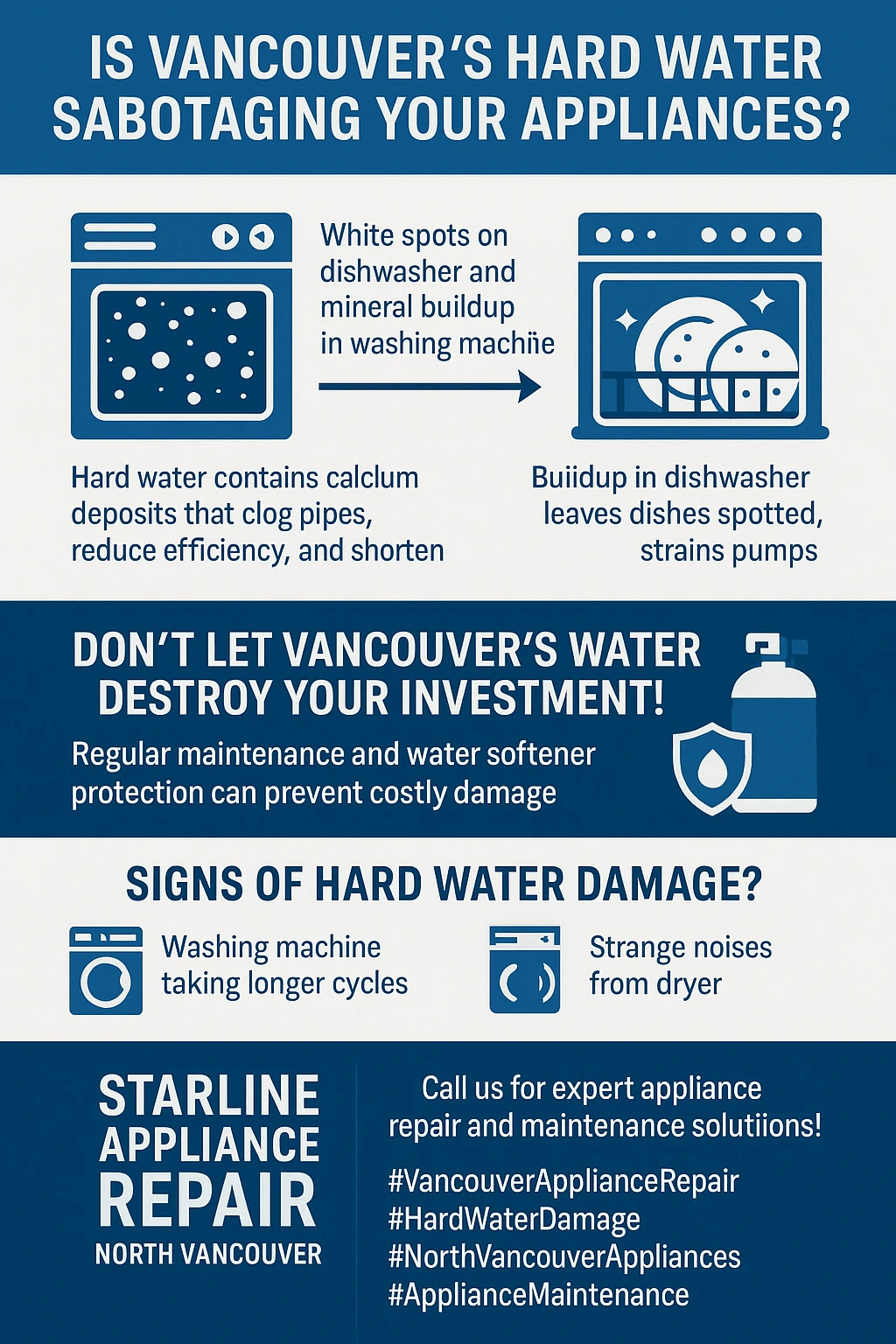
Vancouver benefits from exceptionally soft water compared to most Canadian cities, with hardness levels measuring between 7.9 and 11.8 mg/L according to Metro Vancouver’s comprehensive testing data. This favorable classification places Vancouver among Canada’s softest municipal water supplies, dramatically better than prairie provinces like Alberta where hardness levels regularly exceed 200 mg/L. However, this advantageous position creates what water treatment professionals call “the soft water paradox” – residents assume their appliances are completely protected simply because local water isn’t classified as hard, failing to recognize that even minimal mineral accumulation over extended periods still creates significant performance degradation.
The misconception that soft water areas don’t require appliance protection stems from comparing Vancouver’s situation to obviously hard water regions, but this overlooks the reality that even low mineral content creates measurable damage over the 10-20 year lifespan of major household appliances. Research demonstrates that the heating process concentrates whatever minerals are present in any water supply, meaning Vancouver’s low mineral content becomes more concentrated and deposits more aggressively in areas where water is heated. Studies comparing appliance performance in hard and soft water areas found that while hard water could reduce efficiency by up to 48 percent in severe cases, even soft water with minimal mineral content created measurable efficiency losses of 5 to 10 percent over several years.
What distinguishes Vancouver from other soft water regions is how the specific mineral composition of our water creates subtle but persistent buildup patterns that affect different appliances in distinct ways depending on how they use and heat water. The city’s water supply originates from protected mountain watersheds and flows through specific geological formations that create a unique mineral profile. Vancouver’s water consistently tests at 7.9 to 11.8 mg/L in terms of hardness, and seasonal variations occur as different watershed sources contribute varying amounts based on precipitation patterns and reservoir levels, meaning mineral concentrations fluctuate slightly throughout the year while remaining within the soft water range.
Understanding Vancouver’s water profile becomes crucial because while the city’s classification provides genuine advantages compared to harder water communities, this favorable status should not inspire complacency. Industry research indicates that even the most advanced water treatment in soft water areas cannot completely eliminate mineral presence, and every degree of temperature increase accelerates mineral precipitation and accumulation, making Vancouver’s situation unique in that our naturally soft water still requires strategic maintenance approaches to prevent cumulative effects that manifest over appliance operational life.
How Mineral Buildup Silently Destroys Dishwashers
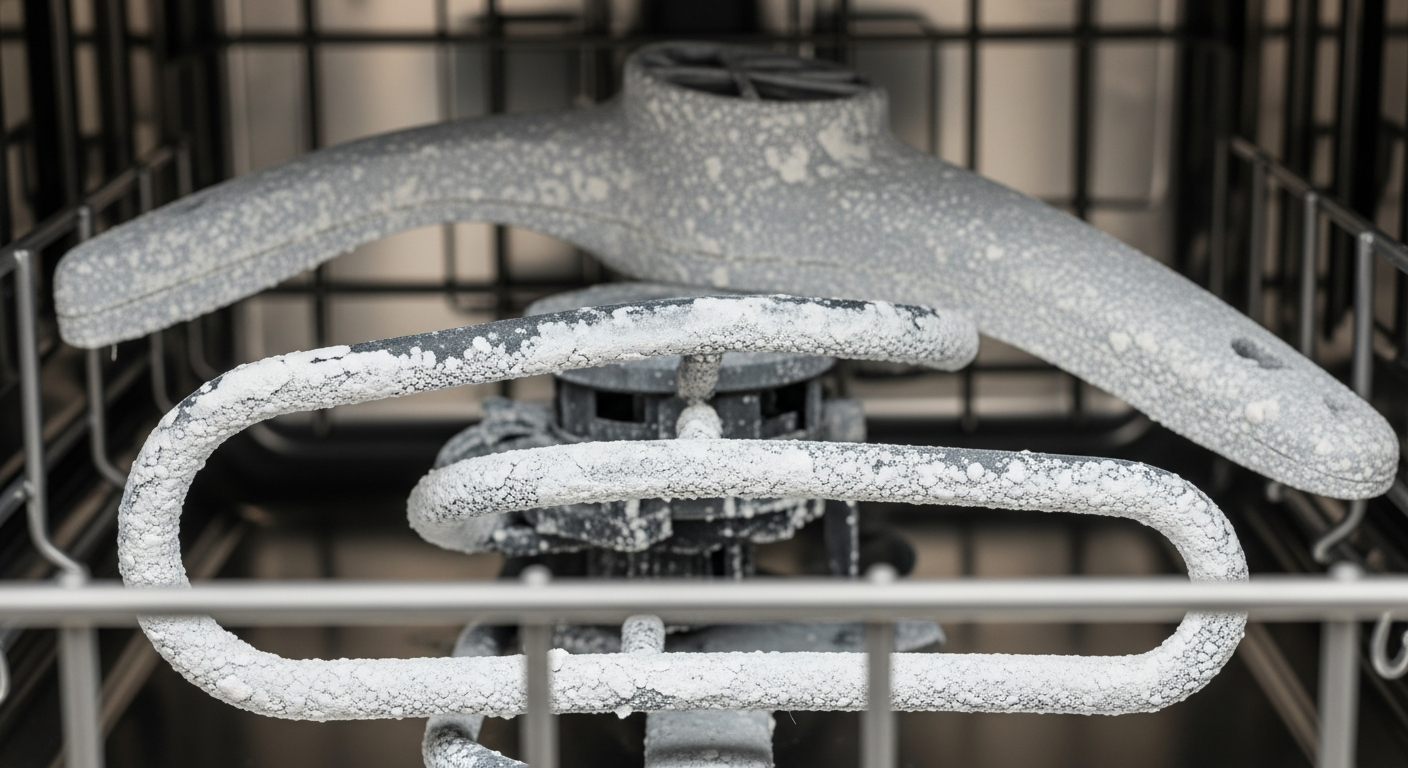
Even with Vancouver’s relatively soft water, mineral accumulation in dishwashers manifests through a specific mechanism where calcium and magnesium ions precipitate out of solution during the heating phase of wash cycles. This creates limescale deposits that layer on internal components and gradually reduce cleaning effectiveness, representing one of the most insidious forms of appliance damage because it develops so slowly that homeowners often attribute declining performance to normal aging rather than preventable water quality issues. The spray arms, which feature small holes designed to distribute water evenly throughout the dishwasher interior, become progressively clogged by mineral deposits over months and years of use.
This reduces water pressure and disrupts the spray pattern so that certain dishes receive less intense cleaning action than others. Research demonstrates that cloudy glassware and white residue appearing on clean dishes represents the first visible indicator of mineral impact, caused by mineral deposits reacting with low-phosphate detergents now standard in most commercial dishwasher products to create stubborn white curd that adheres to glassware. The heating elements inside dishwashers experience similar mineral buildup, which creates an insulating layer between the heating element and the water, forcing the appliance to work harder and consume more energy to reach proper washing temperatures.
Studies specific to soft water regions like Vancouver reveal that while cloudiness on dishes develops more slowly than in hard water areas, the cumulative effect still reduces dishwasher lifespan by 2-3 years compared to systems using completely mineral-free water. The gradual reduction in spray arm effectiveness forces residents to run longer cycles or repeat washes to achieve the same cleanliness results previously attained automatically. Identifying mineral damage in dishwashers before it becomes severe requires recognition of subtle but consistent warning signs that frequently go unnoticed because they develop gradually over months or years.
Early Warning Signs in Vancouver Dishwashers
The first indication often manifests as inconsistent cleaning results where some loads emerge spotless while others show light spotting or film, particularly during seasons when Vancouver’s water mineral content fluctuates slightly due to different watershed contributions. Visual inspection of the dishwasher’s interior components during loading can reveal early mineral deposits – a faint white or grayish film on internal walls, slight discoloration on spray arm holes, or chalky residue where water sits in the bottom during cycles. Performance indicators provide clearer early warning signals than visual inspection, such as noticing that wash cycles take progressively longer to complete, that water seems to drain more slowly during the final rinse phase, or that the dishwasher requires more detergent to achieve previously normal cleaning results.
Manufacturer data shows that monitoring energy consumption offers another important detection method, as an inefficient dishwasher consumes more electricity during longer cycles, and homeowners who track utility bills can identify unusual increases that correlate with appliance inefficiency before obvious performance problems emerge. Professional appliance services report that dishwashers over 9 years old face significantly increased failure rates, but the signs are subtle – maybe your dishes aren’t getting as clean, or you notice some unusual sounds during the wash cycle.
Ice Maker Vulnerability and Crystal-Clear Ice Quality Decline
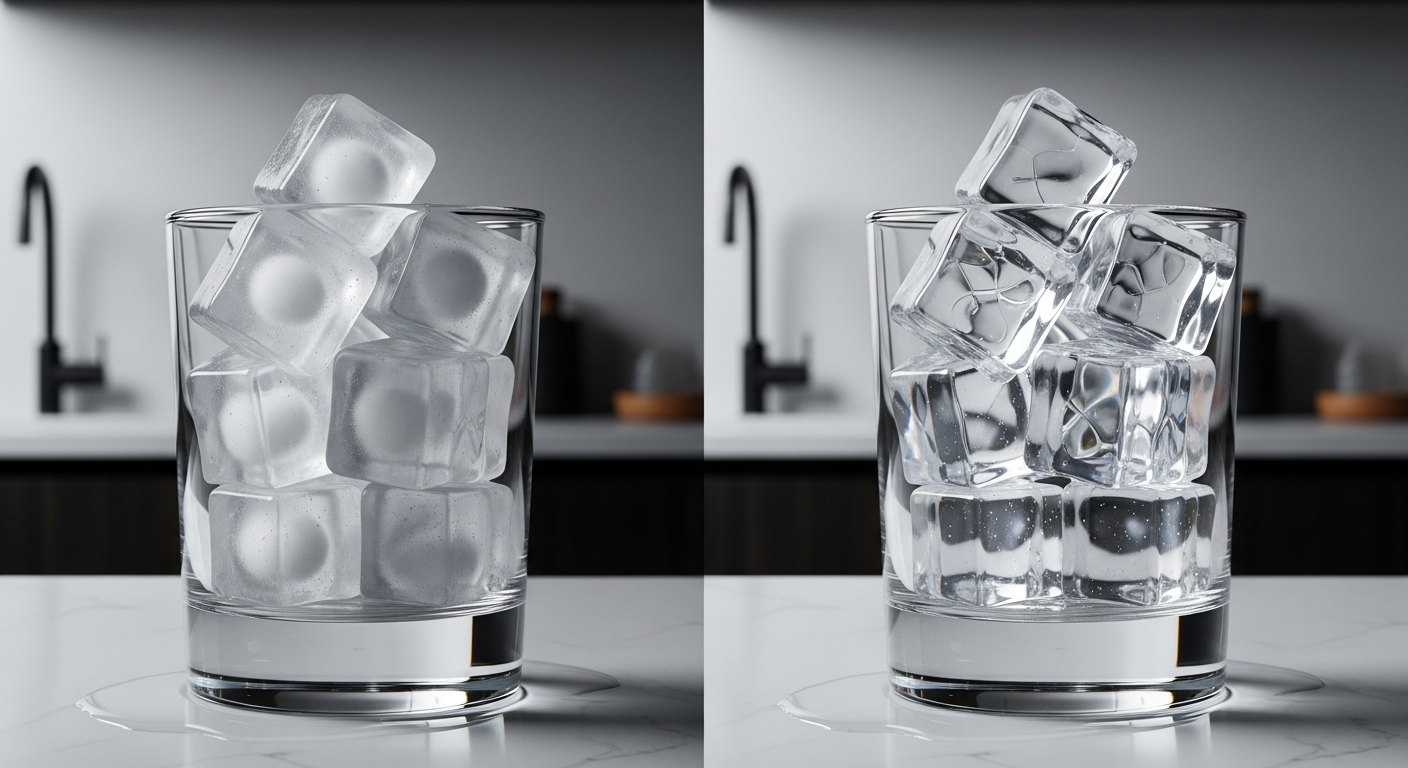
Ice makers represent one of the most vulnerable appliances to mineral damage because unlike most appliances where mineral deposits accumulate gradually over extended operation, ice machines experience accelerated scaling due to the freezing process itself. The freezing cycle concentrates minerals and forces their precipitation into solid deposits on critical components, creating a more aggressive mineral accumulation pattern than seen in other water-using appliances. When water enters the ice maker, the minerals become concentrated as pure water freezes first, leaving behind increasingly mineral-rich liquid that eventually freezes with higher concentrations of calcium and magnesium.
This process creates cloudy ice cubes that many Vancouver homeowners mistakenly attribute to air bubbles or normal variation in ice quality. In reality, the cloudiness indicates significant mineral concentration that’s occurring with every ice-making cycle, gradually building deposits on evaporator coils, water lines, and the ice mold itself. The mineral buildup reduces heat transfer efficiency, forcing the ice maker to run longer cycles and consume more energy to produce the same amount of ice, while simultaneously reducing the clarity and quality of the ice produced.
What makes ice maker mineral damage particularly problematic in Vancouver homes is how it affects the connected refrigerator system. As minerals accumulate in water lines leading to the ice maker, they can restrict water flow and create pressure variations that stress the entire water delivery system. This can lead to premature failure of water filters, damage to electronic water valves, and reduced performance of connected water dispensers. The concentrated minerals also create ideal conditions for bacterial growth, particularly in the warm, moist environment of the ice maker’s internal components.
Coffee Machine Destruction Through Scale Formation
Coffee machines suffer from perhaps the most concentrated mineral assault of any kitchen appliance because they repeatedly heat water to optimal brewing temperatures while forcing it through narrow internal passages. The combination of heat and pressure creates ideal conditions for rapid scale formation, with minerals precipitating out of solution and adhering to heating elements, internal tubing, and brewing chambers. Even Vancouver’s soft water contains enough minerals to create substantial buildup in coffee machines over months of regular use, particularly in households that brew multiple pots daily.
The scale formation in coffee machines occurs most aggressively at heat transfer surfaces where water reaches brewing temperature, typically around the heating element and in narrow tubing where water velocity is highest. This mineral accumulation creates several cascading problems: reduced heating efficiency that extends brewing times, restricted water flow that creates uneven extraction, and altered water chemistry that affects coffee flavor. Professional coffee equipment technicians report that descaling intervals for machines using Vancouver water should occur every 2-3 months compared to 6-month intervals recommended for distilled water use.
Water Softening Solutions That Extend Appliance Life
Given the persistent nature of mineral buildup even in Vancouver’s soft water environment, implementing targeted water treatment solutions becomes essential for protecting expensive appliance investments. Water softening systems work by removing calcium and magnesium ions that cause scale formation, replacing them with sodium ions that don’t precipitate when heated. For Vancouver homes, whole-house water softening provides comprehensive protection for all water-using appliances while addressing the unique challenges posed by our coastal water chemistry and seasonal mineral variations.
The economic case for water softening in Vancouver becomes compelling when comparing the cost of preventive treatment against premature appliance replacement and ongoing efficiency losses. A quality water softening system typically costs between $1,500 and $3,000 installed, while the average Vancouver household faces potential appliance replacement costs exceeding $10,000 over a 10-year period when mineral damage shortens equipment lifespans. Studies tracking appliance performance in softened versus untreated water show lifespan extensions of 3-5 years for major appliances, with energy efficiency improvements of 15-25% maintained throughout the extended operational life.
Point-of-use filtration systems offer targeted protection for specific appliances when whole-house treatment isn’t practical or desired. High-quality reverse osmosis systems remove virtually all mineral content from water reaching ice makers and coffee machines, ensuring optimal performance and preventing scale-related damage. These systems typically cost $300-800 installed and require periodic filter replacement, but they provide complete mineral removal that prevents any scaling issues in connected appliances.
Regular Maintenance and Descaling Protocols
Even with water softening systems, regular maintenance and periodic descaling remain essential for maximizing appliance lifespan and maintaining peak performance. Dishwashers benefit from monthly cleaning cycles using specialized descaling agents that remove accumulated minerals from internal components and restore spray arm effectiveness. The process involves running empty cycles with descaling solutions that dissolve mineral deposits and flush them from the system, followed by thorough rinsing to remove any cleaning residue.
Ice makers require quarterly cleaning and descaling to maintain optimal performance and ice quality. This process involves shutting off water supply, removing accumulated ice, and circulating descaling solutions through all water-carrying components. Professional technicians recommend using food-grade descaling agents specifically formulated for ice machines, as these products effectively dissolve mineral deposits while remaining safe for food contact surfaces. Coffee machines need the most frequent attention, with monthly descaling recommended for daily-use machines in Vancouver’s water conditions.
Frequently Asked Questions
How often should I descale my coffee machine in Vancouver?
For Vancouver’s water conditions, coffee machines should be descaled every 2-3 months with regular daily use. Even our soft water contains enough minerals to create buildup that affects brewing temperature and extraction quality. Signs that descaling is needed include longer brewing times, unusual gurgling sounds, or changes in coffee taste.
Can I use regular white vinegar for descaling appliances?
While white vinegar can dissolve mineral deposits, it’s not recommended for all appliances as it can damage rubber seals and metal components over time. Commercial descaling products are formulated specifically for appliance materials and provide more effective mineral removal without causing damage to internal components.
Will a water softener completely eliminate the need for appliance maintenance?
Water softeners dramatically reduce mineral buildup but don’t eliminate all maintenance requirements. Softened water still contains sodium ions and other dissolved substances that can affect appliance performance over time. Regular cleaning and maintenance remain important, though intervals can be extended significantly with properly functioning water treatment systems.
Wrapping Up
Vancouver’s reputation for excellent water quality shouldn’t create complacency about appliance protection, as even our soft water contains sufficient minerals to cause significant damage over typical appliance lifespans. The combination of targeted water treatment, regular maintenance, and proactive descaling can extend your appliances’ operational life by years while maintaining peak efficiency and performance. Smart homeowners who invest in preventive measures today avoid the frustration and expense of premature appliance failures that always seem to occur at the worst possible moments.
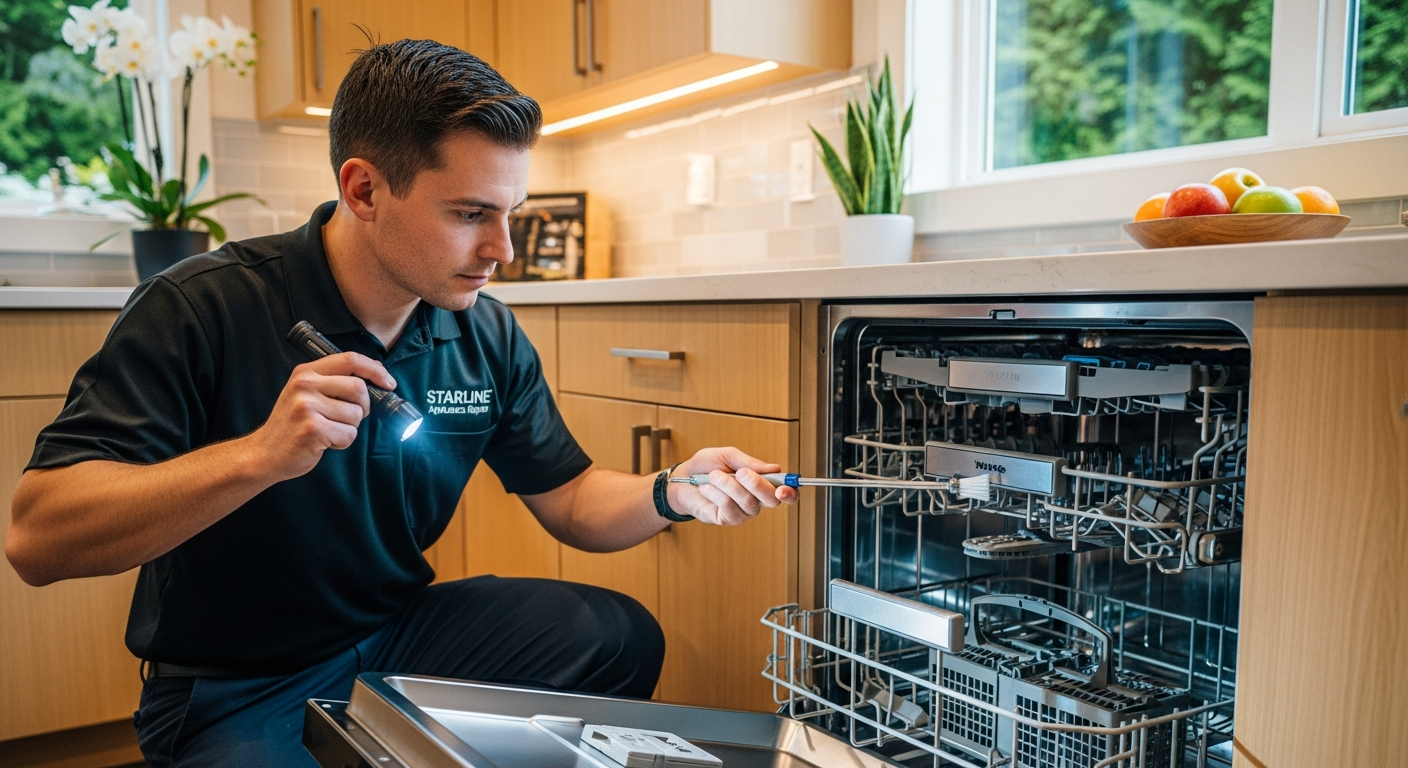
When your appliances do show signs of mineral damage or reduced performance, don’t wait for complete failure to seek professional help. Starline Appliance Repair North Vancouver specializes in diagnosing and repairing mineral-related appliance problems throughout the Vancouver area, helping homeowners restore their equipment to optimal performance while implementing strategies to prevent future damage.