

Worried about your expensive Vancouver appliances getting zapped by electrical surges during our notorious Pacific Northwest storms? You’re absolutely right to be concerned – these electrical catastrophes are happening way more frequently than most homeowners realize, and just one North Vancouver storm recently caused $300,000 in appliance damage across only 33 homes.
Picture this nightmare scenario: you’re relaxing at home in Burnaby during one of those intense autumn windstorms when suddenly the lights flicker, the power cuts out, and when BC Hydro restores electricity hours later, your smart TV won’t turn on, your refrigerator isn’t cooling, and your washing machine is displaying cryptic error codes. This isn’t just an inconvenience – it’s a financially devastating reality that thousands of Vancouver homeowners face every storm season. The hidden truth is that power restoration often creates massive electrical surges that can permanently fry appliances worth thousands of dollars in seconds.
What makes this situation particularly scary for Vancouver residents is that we’re living in a perfect storm of electrical vulnerability. BC Hydro reported record-breaking power outages affecting over 1.4 million customers in 2024, while the average Vancouver home now contains approximately $15,000 worth of surge-sensitive electronics and appliances. Meanwhile, our homes are experiencing about 20 power surges every single day from normal appliance operation, slowly weakening our electrical systems before the next big outage hits.
Key Outtakes:
- Vancouver homes experience approximately 20 power surges daily, with most being internal surges caused by appliances cycling on and off throughout normal operation
- The average Vancouver-area home contains $15,000 worth of surge-sensitive electronics and appliances at risk of permanent electrical damage
- BC Hydro’s record 1.4 million customer outages in 2024 significantly increased surge damage risk across the entire province
- Post-outage appliance inspection within 24 hours can prevent secondary damage and preserve warranty claims for electrical surge incidents
- Cumulative surge damage accounts for 60-80% of appliance failures, often occurring weeks or months after the initial electrical stress event
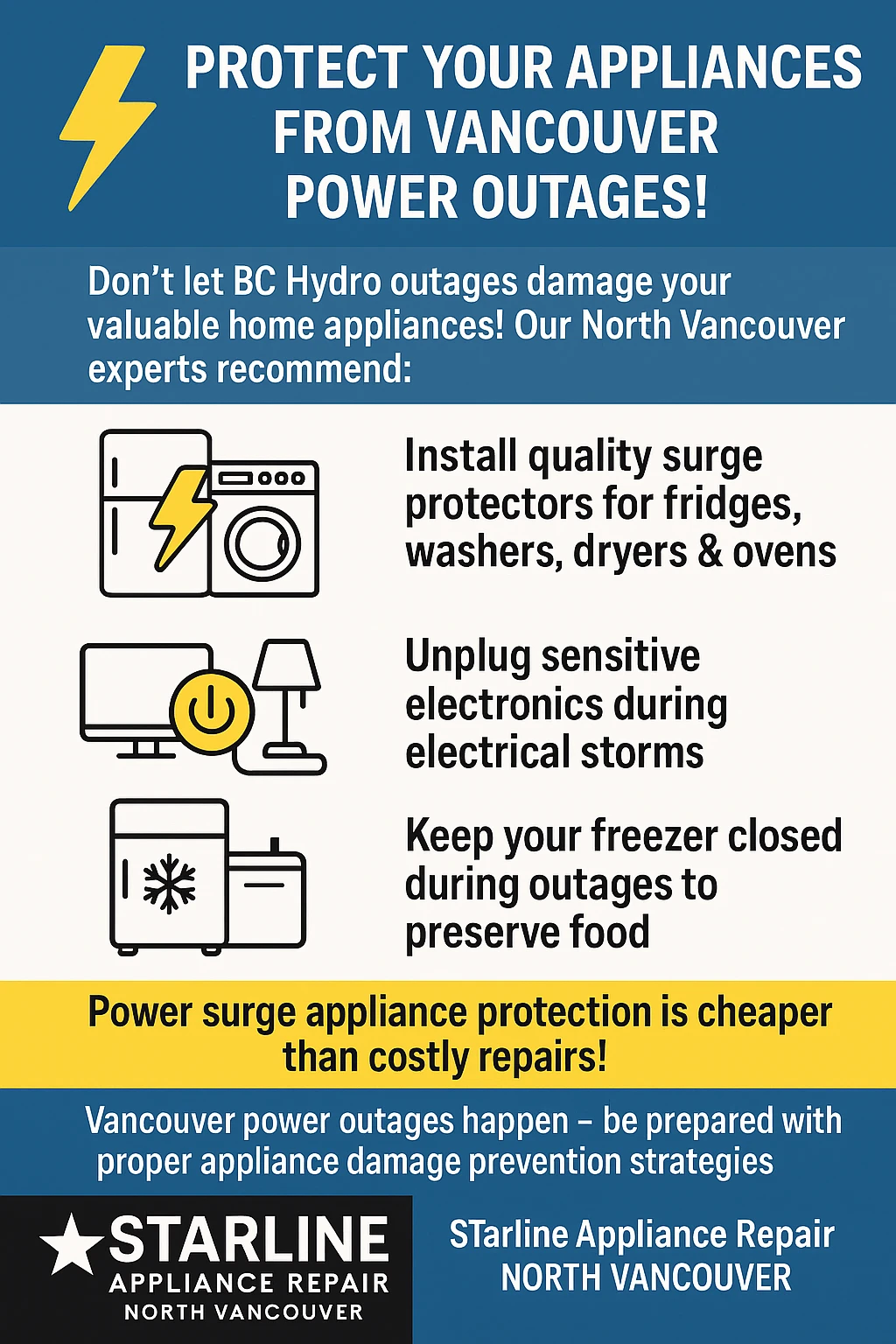
Understanding Vancouver’s Hidden Electrical Crisis
Let’s start with a reality check about what’s actually happening in your Vancouver home right now. While you’re going about your daily routine in neighborhoods like Burnaby, Richmond, or West Vancouver, your house is quietly experiencing approximately 20 power surges every single day. These aren’t dramatic lightning-strike events – they’re sneaky internal surges that happen every time your dishwasher kicks on, your furnace cycles, or your refrigerator compressor starts up. It’s like having tiny electrical earthquakes happening in your walls constantly, gradually weakening the delicate electronic components inside all your appliances.
The National Electrical Manufacturers Association has documented that somewhere between 60% to 80% of all power surges are actually generated inside your own home when large appliances cycle on and off. Think about it – every time your air conditioner fires up, your electric dryer starts a new cycle, or your washing machine switches to the spin cycle, it creates a small power surge that ripples through your electrical system. These internal surges are like tiny hammers constantly tapping away at your appliances’ internal circuits, slowly degrading capacitors, control boards, and protective systems over months and years.
What makes Vancouver’s situation particularly challenging is our recent surge in severe weather events. BC Hydro dropped some shocking statistics – they reported that more than 1.4 million customers experienced power outages in 2024, representing nearly three-quarters of all British Columbians. That’s not just an inconvenience statistic; each of these outage events creates the perfect conditions for appliance-destroying power surges when electricity gets restored. The region’s worst storms have all occurred within just the past five years, and climate change is intensifying these weather patterns across our province.
The financial vulnerability in Vancouver homes is staggering when you add up all the electronics and appliances at risk. The average Vancouver-area home now contains approximately $15,000 worth of surge-sensitive equipment that could be permanently damaged by electrical events. We’re talking about your smart TV, gaming console, laptop, kitchen appliances with digital controls, HVAC system components, and basically anything with a circuit board inside. Recent damage from a single North Vancouver storm totaled $300,000 across just 33 homes – that’s almost $10,000 per household in fried appliances and electronics from one weather event.
Modern smart appliances make this vulnerability crisis even worse because they’re essentially computers disguised as household equipment. Your Wi-Fi-enabled refrigerator, smart washing machine, and connected thermostat all contain sophisticated electronic components that are exponentially more sensitive to electrical fluctuations than the simple motors and heating elements in older appliances. When Vancouver’s aging electrical infrastructure struggles to provide clean, stable power during peak demand or weather events, these smart devices become sitting ducks for voltage spikes that can permanently damage their delicate circuitry.
How Power Outages Create Appliance-Destroying Surge Conditions
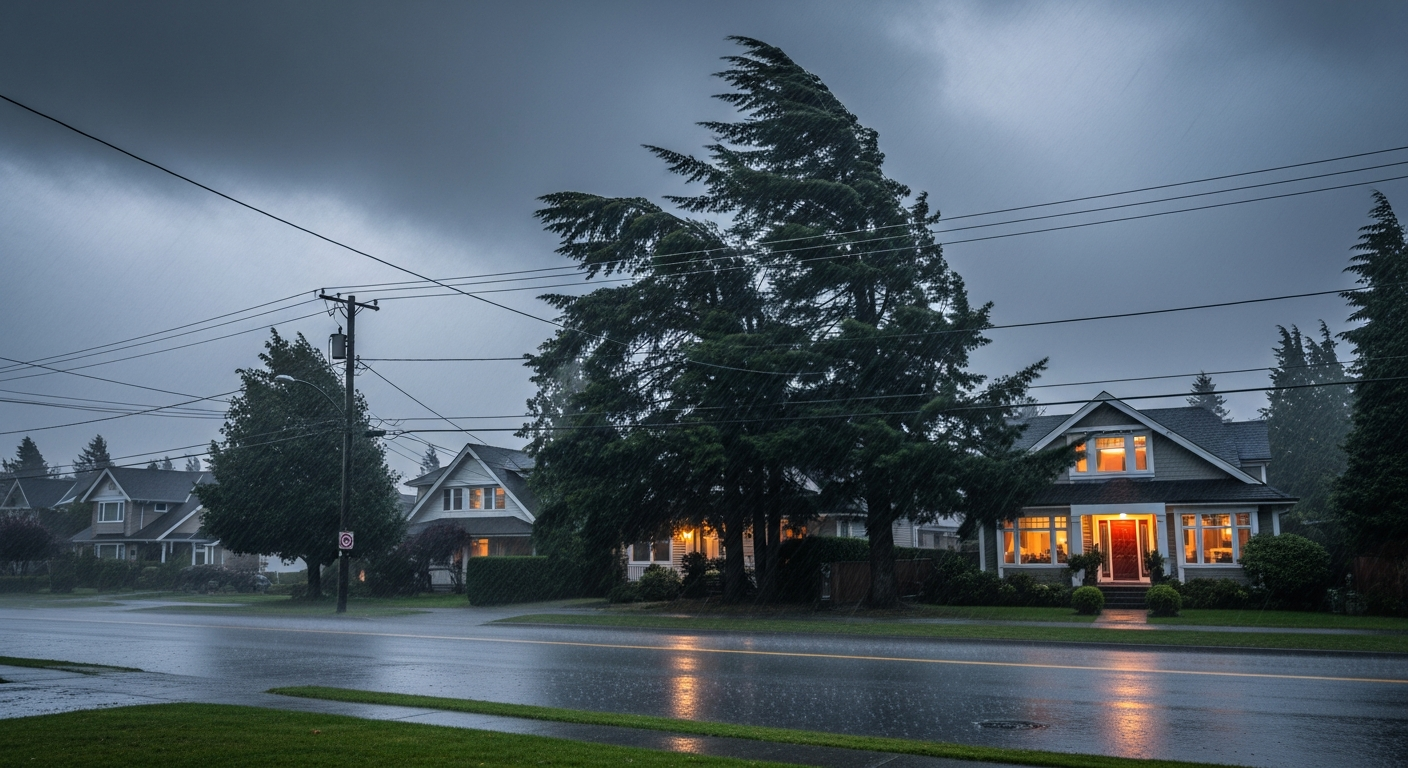
Understanding how power outages transform into appliance-killing electrical events is crucial for protecting your Vancouver home. The damage typically doesn’t occur when the power goes out – it’s when BC Hydro restores electricity that creates the most dangerous conditions for your appliances. This phenomenon, known as restoration surge, happens because utility crews are essentially jumpstarting entire neighborhood electrical grids simultaneously, which can create massive voltage spikes that overwhelm home electrical systems in milliseconds.
The North Vancouver incident that caused $300,000 in damage across 33 homes is a perfect example of how quickly things can go wrong. Residents reported hearing a loud “boom” or “kaboom” when a transformer exploded during the storm, followed by hours without power. But the real destruction happened when power was restored – that’s when 240-volt power surged through 120-volt lines, randomly destroying appliances throughout the neighborhood. One business owner alone faced $5,000-$6,000 in emergency repairs to keep operating, while homeowners discovered their refrigerators, stoves, microwaves, and coffee makers were permanently fried.
Tree contact with power lines creates particularly unpredictable and dangerous electrical conditions throughout connected areas. When storm winds bring down branches or entire trees onto live electrical lines, the resulting electrical faults can send chaotic voltage spikes racing through the grid before protective systems have time to respond. BC Hydro confirmed that trees contacting power lines caused the North Vancouver transformer damage, demonstrating how natural events can cascade into widespread electrical destruction.
What makes surge damage particularly insidious is that it’s often cumulative rather than catastrophic. Unlike lightning strikes that can instantly destroy everything in their path, most surge damage happens gradually through repeated small electrical stresses. Each voltage spike weakens capacitors, circuit boards, and control systems inside your appliances. Your smart TV might start resetting itself randomly, your microwave’s digital display might flicker occasionally, or your washing machine might develop intermittent problems – all because accumulated surge damage has slowly compromised their internal electronics.
Voltage drops, which often occur right before or after a power surges, create additional appliance stress that many homeowners don’t understand. When voltage drops below normal levels, your appliances’ motors are forced to draw more current to compensate for the reduced power supply. This extra current draw causes overheating and puts enormous strain on electrical components that weren’t designed to handle the additional load. It’s like forcing your car engine to work twice as hard to maintain the same speed – eventually, something’s going to break down from the excessive stress, making your appliances even more vulnerable to the next electrical event.
The 24-Hour Post-Outage Appliance Safety Inspection Protocol
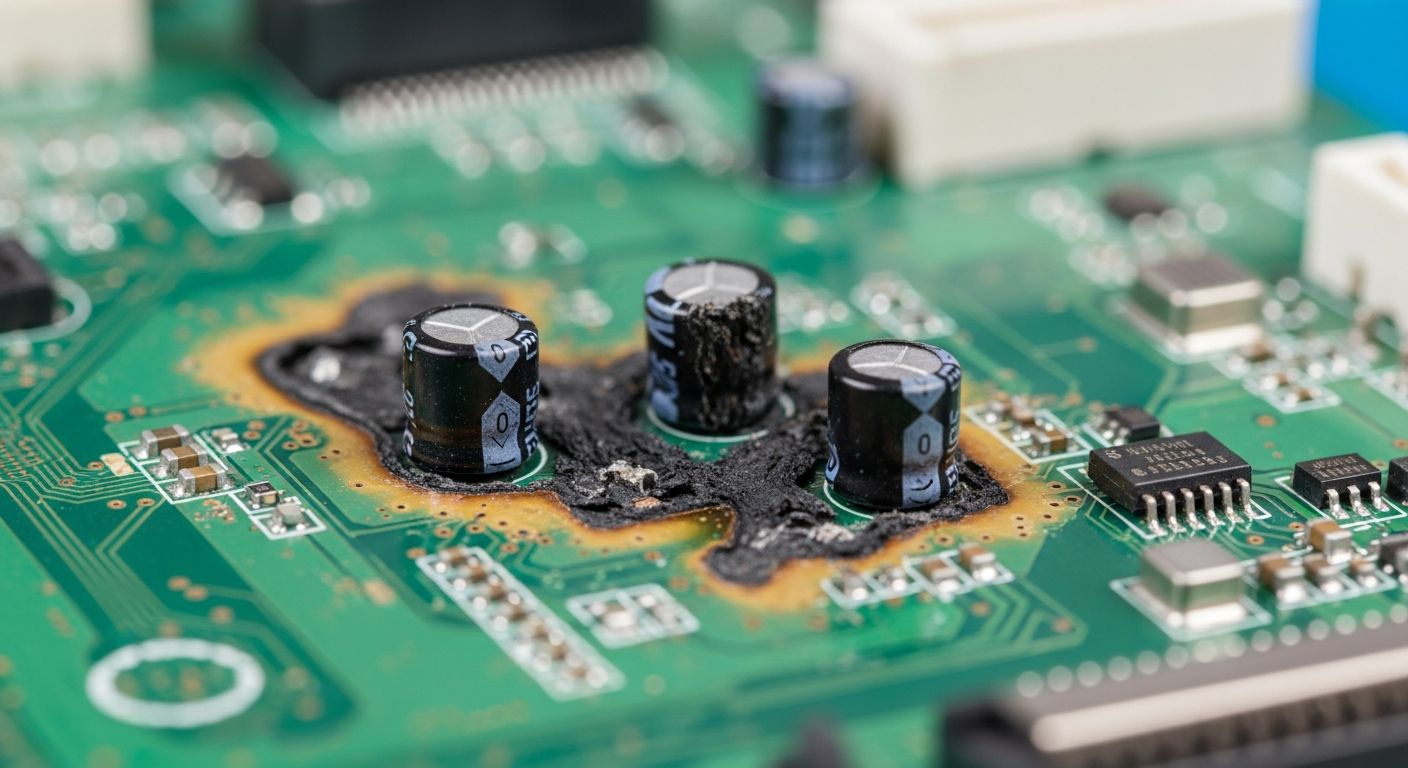
The first 24 hours after a power outage are absolutely critical for identifying electrical damage before minor problems become major appliance failures. BC Hydro specifically recommends that homeowners avoid immediately turning on heating systems and multiple electronics as soon as power returns, because this rapid power demand can stress weakened electrical systems and cause additional damage. Instead, you should follow a systematic inspection protocol that can save you thousands of dollars in replacement costs by catching problems early.
Start your post-outage inspection by visually checking all major appliances for obvious signs of electrical damage before turning anything on. Look for scorch marks around outlets, unusual smells like burning plastic or ozone, flickering or dim lights, and any appliances that won’t respond to normal controls. Pay particular attention to digital displays on microwaves, ovens, washing machines, and entertainment systems – if these aren’t lighting up or are showing error codes, that’s often the first sign of surge damage to internal control boards.
When you do begin powering up appliances, do it gradually rather than all at once. Turn on one major appliance at a time and let it run through a complete cycle before moving to the next device. This systematic approach allows you to isolate any problems to specific appliances and prevents additional electrical stress on your home’s system. Listen carefully for unusual sounds like grinding, clicking, or buzzing that weren’t present before the outage – these often indicate motor damage or failing electrical components that need immediate attention.
Critical Systems to Test First
Your heating and cooling system should be the first thing you test after an outage, especially in Vancouver’s climate where HVAC failure can quickly become a safety issue. Turn your thermostat to a moderate setting and listen for the system to start up normally. If your furnace or heat pump makes unusual noises, fails to start, or doesn’t seem to be heating or cooling effectively, shut it down immediately and call for professional service. HVAC systems are particularly vulnerable to surge damage because they contain sensitive control boards, variable speed motors, and electronic ignition systems.
Next, test your kitchen appliances systematically, starting with your refrigerator since food safety is a priority. Check that the temperature controls are responding, the compressor is running, and interior lights are working. Move on to your dishwasher, microwave, and cooking appliances, testing each one individually. Many homeowners in areas like Burnaby and Richmond have discovered that their appliances appeared to work initially after outages, only to fail completely days or weeks later due to weakened internal components.
Don’t forget to test smaller electronics that are easily overlooked but expensive to replace. Your home internet equipment, security systems, garage door openers, and smart home devices all contain sensitive electronics that can be damaged by power surges. Test each device’s basic functions and watch for erratic behavior that might indicate internal damage. Many insurance claims are denied because homeowners waited too long to document problems, so prompt testing and documentation are essential.
Essential Surge Protection Strategies for Vancouver Homes
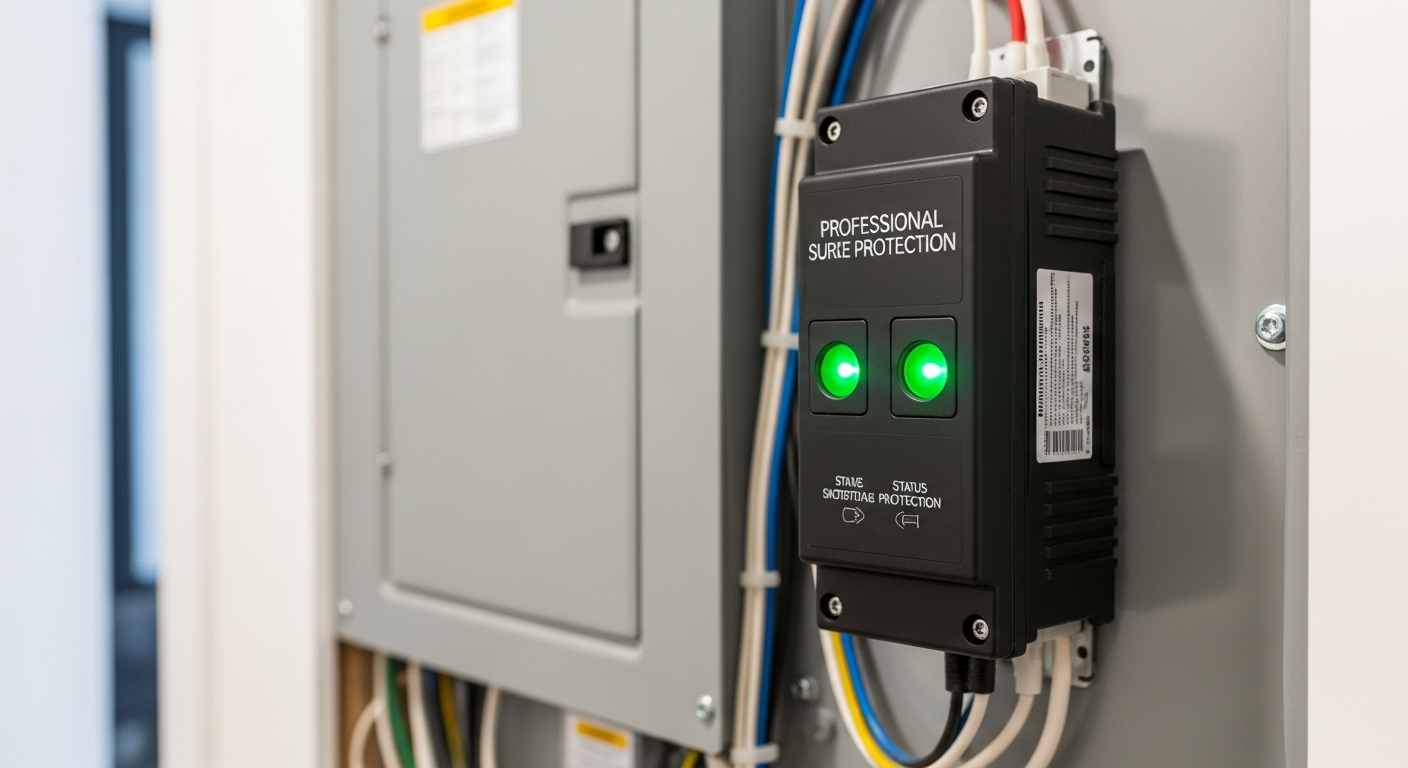
Now that we understand the scope of Vancouver’s surge problem, let’s talk about real solutions that can protect your valuable appliances and electronics. The most effective approach involves layering multiple types of protection to create a comprehensive defense system that can handle everything from small internal surges to massive lightning strikes. Think of it as building a fortress with multiple walls – each layer provides additional protection that the previous one might miss.
Whole-home surge protectors represent your first and most important line of defense against electrical disasters. These robust devices install directly at your home’s main electrical panel and can handle massive voltage spikes – we’re talking about surges from direct lightning strikes. When properly installed by a qualified electrician, whole-home surge protectors provide 99.5% to 99.9% protection effectiveness for your entire electrical system. Every appliance, outlet, and hardwired device in your home benefits from this umbrella of protection simultaneously.
Point-of-use surge protectors fill a different but equally important role in your protection strategy. These are the high-quality power strips and individual device protectors that you use for sensitive electronics like computers, entertainment systems, and smart appliances. However, not all power strips provide surge protection, so make sure you’re buying units that specifically list surge protection ratings and joule ratings. Look for devices that offer at least 2,000 joules of protection for valuable electronics.
For Vancouver’s unique electrical challenges, consider investing in surge protectors with battery backup capabilities. These uninterruptible power supply (UPS) units not only protect against surges but also provide temporary power during outages, giving you time to safely shut down sensitive equipment. This is particularly valuable for home offices, network equipment, and smart home systems that can be damaged by sudden power loss. Many Vancouver residents have reported router damage as one of the most common surge-related failures, making UPS protection especially important for network equipment.
Professional Installation vs DIY Protection Methods
While some surge protection measures can be implemented by homeowners themselves, the most effective protection strategies require professional installation by qualified electricians. This is particularly true for whole-home surge protection systems, which must be properly integrated with your home’s electrical panel and grounding system to function effectively. Improper installation can actually create additional safety hazards and void your home insurance coverage.
Professional electricians can assess your home’s specific electrical configuration and recommend protection strategies tailored to your situation. Vancouver’s coastal location, with its salt air that gradually corrodes electrical connections, creates unique challenges that experienced local electricians understand. They can identify potential weak points in your electrical system that might make surge damage more likely and recommend preventive upgrades that improve your overall electrical safety.
The cost of professional surge protection installation is minimal compared to the potential damage costs. Whole-home surge protector installation typically costs between $100-$200 when performed by a qualified electrician, while a single major surge event can easily cause thousands of dollars in appliance damage. Many Vancouver homeowners have discovered that their insurance companies offer discounts on electrical coverage when professional surge protection is properly documented and installed.
Frequently Asked Questions
How much surge protection do I need for my Vancouver home?
The amount of surge protection you need depends on the total value of your electrical equipment and your risk tolerance. For most Vancouver homes, a combination of whole-home protection (rated for at least 40,000 amps) plus point-of-use protection for valuable electronics provides comprehensive coverage. Consider that the average Vancouver home contains about $15,000 worth of surge-sensitive equipment, so investing $500-$1,000 in proper protection makes financial sense.
Your specific needs may be higher if you have expensive home theater equipment, extensive smart home systems, or valuable computer equipment. Homes in areas with frequent outages or older electrical infrastructure may need additional protection layers to compensate for increased vulnerability.
Will my homeowner’s insurance cover surge damage?
Standard homeowner’s insurance policies typically don’t cover power surge damage unless you have specific equipment breakdown coverage. Many insurers exclude surge damage caused by utility company power fluctuations or weather events. Review your policy carefully and consider adding electrical coverage if it’s not included.
Some insurance companies offer discounts when professional surge protection is installed and documented. Keep all installation receipts and documentation, as some insurers require proof of proper protection to honor claims for surge-related damage.
How often should surge protection devices be replaced?
Whole-home surge protectors typically last 2-5 years depending on the number and severity of surges they’ve absorbed. Many modern units include indicator lights that show when the device needs replacement. Point-of-use surge protectors should be replaced after any major electrical event or every 2-3 years for optimal protection.
Keep receipts and documentation for warranty and insurance purposes. Vancouver’s coastal environment may accelerate component degradation, so consider more frequent replacement if you live in areas with high salt air exposure.
Wrapping Up
Protecting your Vancouver home from power outage appliance damage isn’t just about buying a few power strips – it’s about implementing a comprehensive strategy that addresses our region’s unique electrical challenges. With BC Hydro’s infrastructure under increasing stress from climate change and our homes packed with increasingly sophisticated electronics, surge protection has evolved from a nice-to-have into an essential investment. When you’re ready to safeguard your valuable appliances, Starline Appliance Repair North Vancouver can help you understand which protection strategies work best for your specific situation and connect you with qualified professionals who can implement comprehensive electrical protection systems throughout Burnaby, Richmond, and West Vancouver.