

Vancouver’s Rental Property Appliance Breakdown Laws
Dealing with a broken dishwasher that’s flooding your rental unit at 2 AM? Understanding who’s responsible for appliance repairs in Vancouver rentals can save you hundreds of dollars and prevent major tenant disputes before they spiral out of control.
Living in Vancouver’s competitive rental market means navigating complex appliance responsibility laws that can make or break your landlord-tenant relationship. Whether you’re managing properties in Kitsilano, dealing with strata regulations in Yaletown, or handling emergency repairs in Mount Pleasant, knowing your legal obligations under BC’s Residential Tenancy Act isn’t just helpful – it’s essential for protecting your investment and maintaining positive tenant relationships.
Vancouver’s coastal climate creates unique challenges for rental property appliances that most other Canadian markets don’t face. Salt air accelerates corrosion, humidity affects electrical components, and our frequent rain puts extra strain on ventilation systems. Combined with the city’s aging rental stock and high repair costs, appliance breakdowns can quickly become expensive headaches if you don’t understand the legal framework governing repairs and replacements.
Key Outtakes:
- Landlords are legally responsible for maintaining all appliances included in rental agreements under BC’s Residential Tenancy Act
- Emergency appliance repairs must be addressed within reasonable timeframes, or tenants can arrange repairs and deduct costs from rent
- Vancouver’s Standards of Maintenance Bylaws provide additional requirements beyond provincial tenancy laws for appliance safety and functionality
- Tenants are responsible for basic appliance care and reporting issues promptly, but not for normal wear and tear repairs
- Proper documentation and clear communication can prevent most appliance-related disputes from reaching the Residential Tenancy Branch
Understanding Landlord Responsibilities for Rental Property Appliances
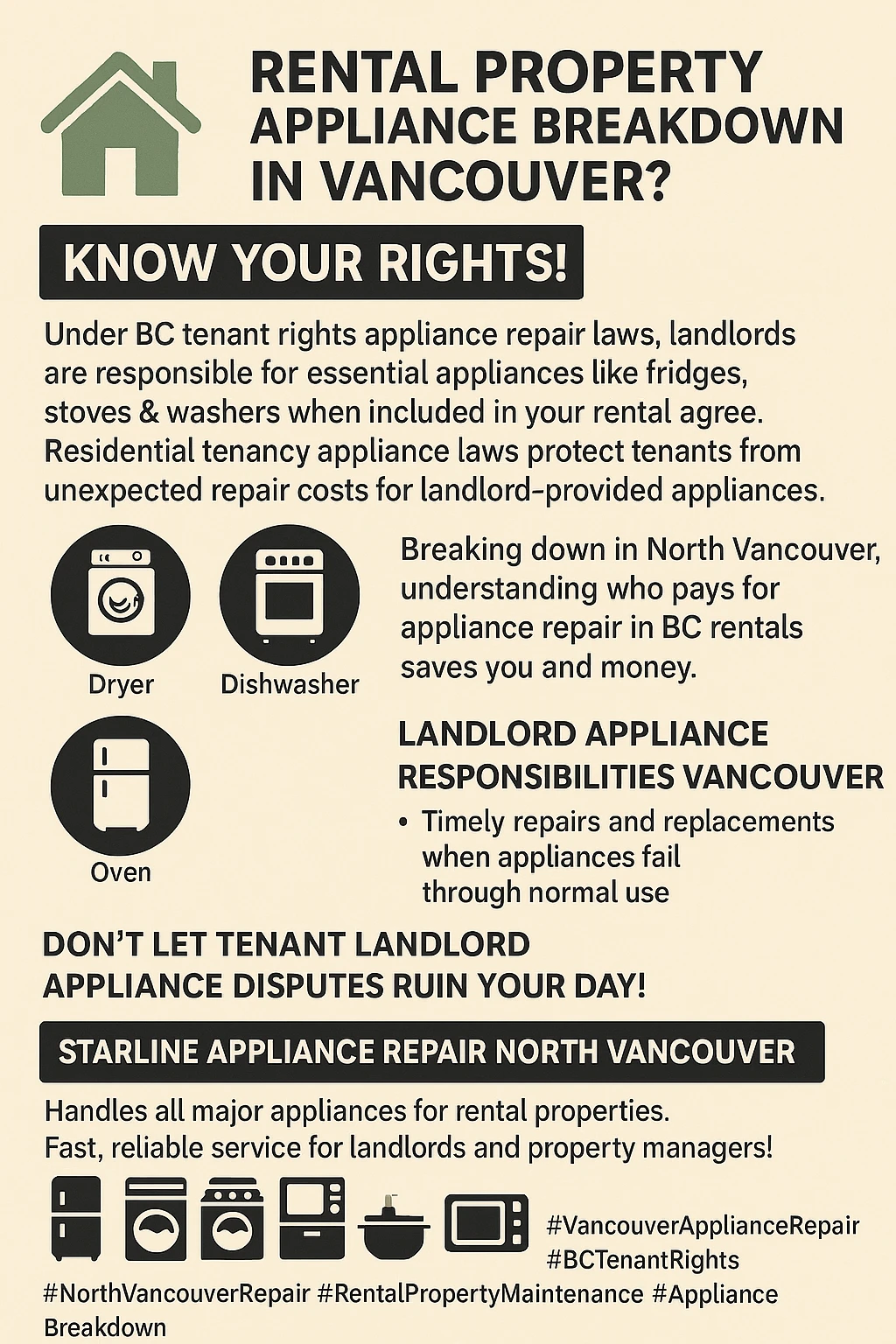
Under British Columbia’s Residential Tenancy Act, landlords bear primary responsibility for maintaining rental units in safe, habitable condition. This includes ensuring that all appliances provided with the rental property remain in good working order throughout the tenancy period. The law doesn’t distinguish between high-end units downtown or budget rentals – if you’ve included appliances in your rental agreement, you’re legally obligated to maintain them.
The fundamental principle is straightforward: anything listed in your tenancy agreement becomes your responsibility to repair or replace when it fails due to normal wear and tear. This covers major appliances like refrigerators, stoves, dishwashers, and laundry equipment, as well as smaller items like microwaves or garbage disposals if they’re explicitly included. Many Vancouver landlords discover this responsibility the hard way when their first appliance failure results in unexpected repair bills and tenant complaints.
Vancouver’s municipal Standards of Maintenance Bylaws add another layer of requirements that go beyond provincial tenancy laws. These local regulations specify that heating systems must maintain specific temperatures, electrical systems must meet safety standards, and plumbing fixtures must provide adequate hot water. When appliances fail to meet these standards, landlords face both tenant complaints and potential bylaw enforcement actions that can result in fines and mandatory repair orders.

Emergency Repair Procedures and Timeline Requirements
Moving from general maintenance to urgent situations, Vancouver’s rental market demands clear understanding of emergency repair procedures that protect both landlords and tenants. Emergency repairs are legally defined as urgent issues necessary for health or safety that relate to major plumbing leaks, heating system failures, electrical hazards, or security problems. When your tenant’s refrigerator fails during a heat wave or their stove stops working entirely, these situations often qualify as emergencies requiring immediate attention.
BC law requires landlords to provide emergency contact information to all tenants, either individually or posted in common areas. When tenants report emergency appliance failures, you must respond within reasonable timeframes or risk having tenants arrange repairs themselves and bill you for the costs. The provincial tenancy framework gives tenants specific rights to arrange emergency repairs if landlords don’t respond after two phone attempts with reasonable time between calls.
The financial implications of delayed emergency responses can be severe. Vancouver’s high service costs mean emergency appliance repairs often start at $150-200 for diagnostic fees alone, with evening and weekend premiums adding another 25-50% to total costs. Tenants who arrange their own emergency repairs aren’t required to shop for the lowest prices – they just need to find reasonable costs, which in Vancouver’s expensive service market can result in bills that exceed what landlords would pay through established vendor relationships.
Smart Vancouver landlords maintain relationships with 24/7 appliance repair services and clearly communicate response procedures to tenants. This proactive approach prevents emergency situations from escalating into expensive tenant-arranged repairs while maintaining positive relationships that encourage lease renewals in our competitive rental market.

Tenant Obligations and Damage Prevention
While landlords carry primary appliance maintenance responsibilities, tenants aren’t off the hook entirely when it comes to proper care and damage prevention. Understanding these shared responsibilities helps create clear expectations that prevent disputes and protect your rental property investment. The key distinction lies between normal wear and tear (landlord responsibility) and damage caused by misuse or negligence (tenant responsibility).
Tenants must report appliance problems promptly in writing, allowing reasonable time for repairs before issues escalate. This reporting requirement protects landlords from liability for secondary damage that occurs when problems go unreported. For example, if a tenant ignores a slow refrigerator leak that eventually damages flooring, they may bear responsibility for the additional damage beyond the initial appliance repair.
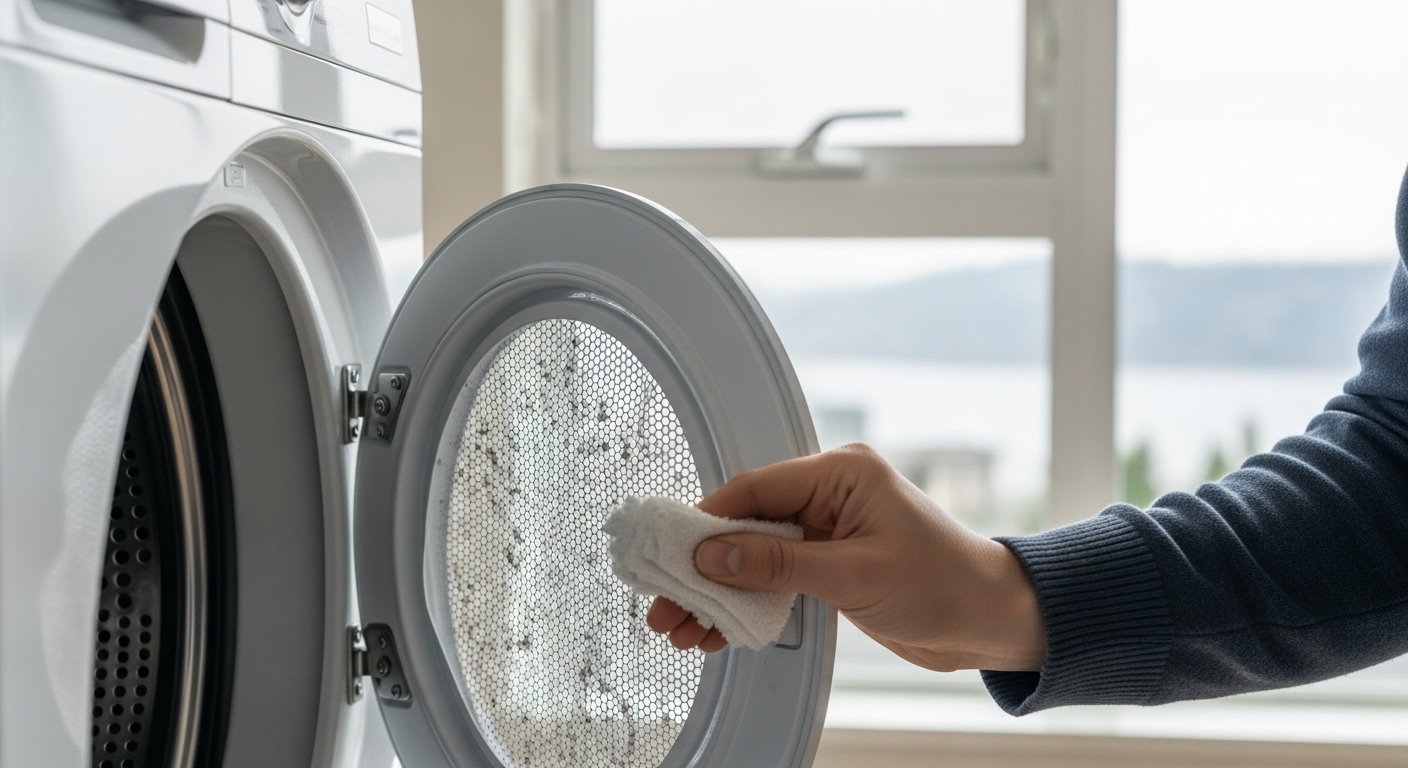
Basic appliance care falls squarely on tenant shoulders, including regular cleaning, proper use according to manufacturer instructions, and avoiding obvious misuse that could damage equipment. Dishwasher filters need regular cleaning, dryer lint traps require emptying, and refrigerator coils benefit from periodic vacuuming. These maintenance tasks help extend appliance life and prevent many common failure modes that create repair expenses.
Vancouver’s hard water conditions in areas like Richmond and Burnaby make tenant cooperation especially important for appliances like dishwashers and washing machines. Tenants who ignore manufacturer recommendations about water softening or cleaning cycles accelerate mineral buildup that causes premature failures. Clear communication about these local conditions helps tenants understand their role in preventing expensive repairs.
Documenting Appliance Conditions and Usage
Proper documentation protects both parties when appliance disputes arise. Condition inspections at tenancy start should include detailed appliance assessments with photos showing existing wear, model numbers, and operational status. This documentation becomes crucial evidence if disputes reach the Residential Tenancy Branch about whether damage represents normal wear or tenant negligence.
Tenants benefit from documenting their proper care and prompt reporting of issues. Email communications about appliance problems, photos of cleaning efforts, and maintenance records demonstrate responsible tenancy that supports their position in any disputes. This documentation also helps landlords identify tenants who take good care of properties, potentially influencing lease renewal decisions in Vancouver’s competitive market.
Cost Allocation and Replacement Decisions
Determining when to repair versus replace aging appliances involves complex calculations that consider Vancouver’s high service costs, appliance lifespans in our coastal climate, and tenant expectations in a competitive rental market. The traditional 50% rule – replace when repair costs exceed half the replacement value – often doesn’t work in Vancouver’s expensive repair environment where diagnostic fees and labor rates can make minor repairs surprisingly costly.
Vancouver’s marine climate significantly reduces appliance lifespans compared to manufacturer estimates. Salt air corrosion, humidity effects on electrical components, and temperature fluctuations create accelerated wear that smart landlords factor into replacement planning. Refrigerators rated for 12-15 years might need replacement after 8-10 years, while dishwashers often fail after 6-8 years instead of the typical 9-12 year lifespan.
Replacement timing decisions also consider Vancouver’s rental market dynamics. Tenants in high-end Yaletown condos expect modern, reliable appliances, while budget rental markets may accept older equipment if it functions safely. However, frequent repair calls and tenant inconvenience can damage landlord reputations and encourage lease terminations in any market segment.
Strategic appliance replacement during tenant turnovers maximizes value while minimizing disruption. New appliances can justify slightly higher rents in Vancouver’s competitive market, while reducing maintenance calls and emergency repair costs. Many successful Vancouver landlords budget for appliance replacement cycles rather than running equipment until failure creates emergency situations.
Navigating Strata Requirements and Building-Specific Constraints
Vancouver’s condo-heavy rental market adds complexity through strata corporation rules that can affect appliance choices and installation procedures. Many strata buildings restrict appliance types, require specific installation methods, or mandate professional installation with permits. These requirements can significantly impact replacement costs and timing, making advance planning essential for avoiding emergency situations.
Some strata corporations maintain preferred vendor lists or require specific approval processes for major appliance installations. Understanding these requirements before appliances fail prevents delays that leave tenants without essential services. Smart landlords review strata bylaws annually and maintain relationships with approved contractors who understand building-specific requirements.
Frequently Asked Questions
What appliances are landlords required to maintain in Vancouver rental properties?
Landlords must maintain any appliances specifically listed in the rental agreement or tenancy agreement. This typically includes refrigerators, stoves, dishwashers, and laundry equipment if provided with the unit. The key factor is inclusion in the written agreement – if an appliance is mentioned or was present when tenants moved in and is documented in the condition inspection, it becomes the landlord’s responsibility.
Even appliances not explicitly listed in agreements may become landlord responsibilities if they’re essential for habitability or were provided as part of the rental offering. Provincial guidelines on landlord obligations clarify that anything affecting health, safety, or basic habitability standards falls under landlord maintenance duties.
Can tenants arrange their own appliance repairs and bill landlords for the costs?
Tenants can arrange emergency repairs themselves only after following specific procedures outlined in BC’s Residential Tenancy Act. They must first contact the landlord or emergency contact person, make two phone attempts with reasonable time between calls, and allow adequate time for landlord response. Only after these steps can tenants arrange repairs and deduct costs from rent.
Non-emergency repairs require landlord permission before tenants can arrange service and expect reimbursement. Tenants who hire repair services without proper authorization risk paying for repairs themselves, even if the appliance failure was clearly the landlord’s responsibility. Clear communication and following legal procedures protects both parties in these situations.
Who pays for appliance repairs caused by normal wear and tear versus tenant damage?
Landlords pay for repairs and replacements resulting from normal wear and tear, age-related failures, or manufacturing defects. This includes typical appliance breakdowns that occur despite proper use and maintenance. Tenants are responsible for repairs needed due to their misuse, negligence, or damage they cause directly.
The distinction between normal wear and damage can be challenging to determine, particularly with older appliances. Factors like appliance age, maintenance history, and usage patterns all influence these determinations. When disputes arise, the Residential Tenancy Branch considers evidence from both parties including condition inspection reports, maintenance records, and expert assessments to make fair determinations.
Wrapping Up
Understanding Vancouver’s rental property appliance laws protects both your investment and tenant relationships in one of Canada’s most competitive rental markets. From emergency repair procedures to long-term replacement planning, knowing your legal obligations under BC’s Residential Tenancy Act and Vancouver’s municipal bylaws helps you avoid costly disputes while maintaining properties that attract and retain quality tenants.
When appliance breakdowns do occur – and they will in Vancouver’s challenging coastal environment – having reliable repair partners makes all the difference. Starline Appliance Repair North Vancouver understands the unique challenges facing Vancouver rental property owners and provides fast, professional service that keeps your tenants happy and your properties operating smoothly, serving neighborhoods throughout North Vancouver, West Vancouver, and Burnaby with expert appliance repair and maintenance services.